The House They Left Behind, the Tree We Plant
When a grandparent’s stories are all that remain, small acts can stitch memory back into the day-to-day. Practical ways to honor a grandparent’s legacy.
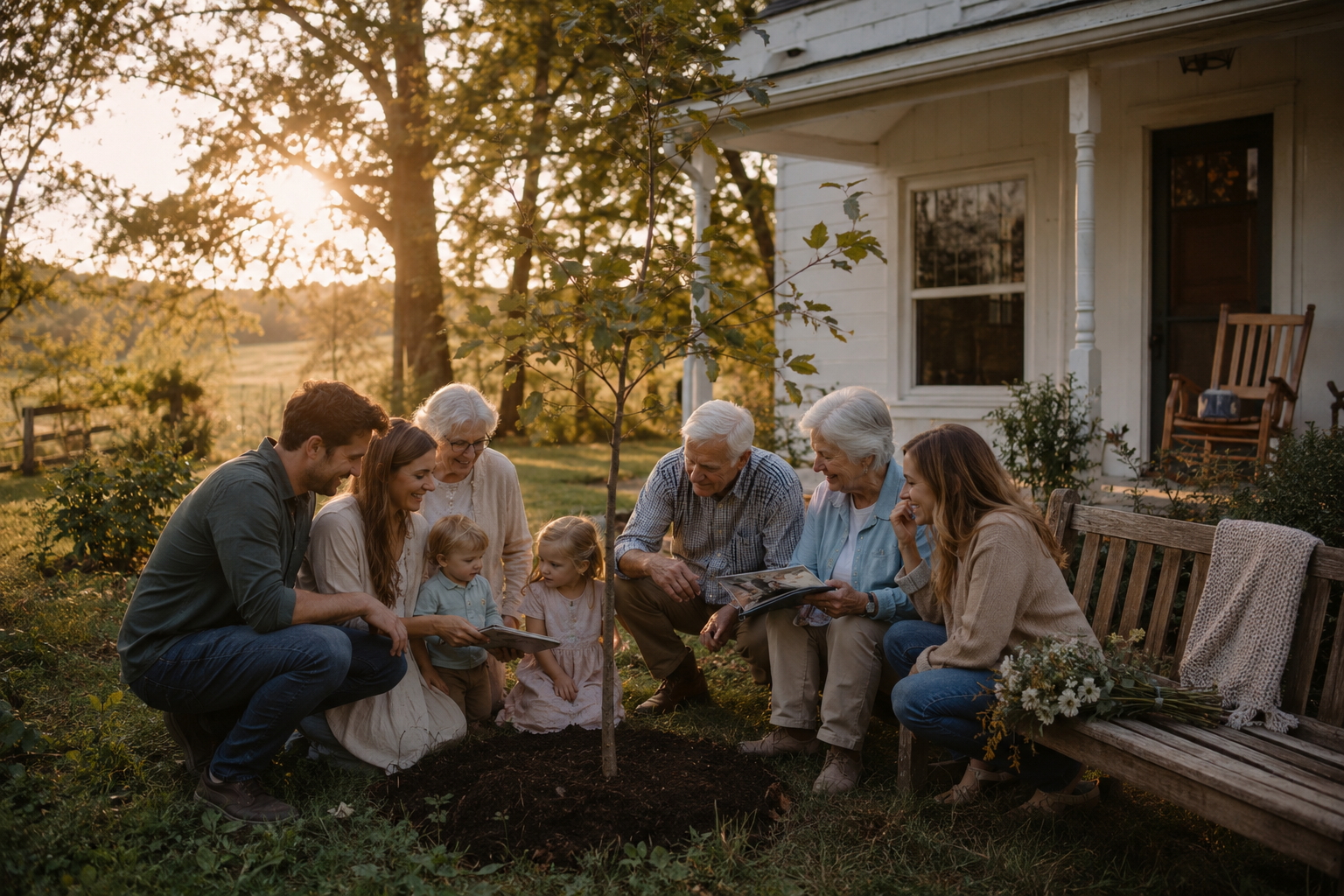
On the morning after the funeral, the house felt like a vessel someone had forgotten to fill. A sweater draped on the chair, the kettle on the stove, a bookshelf where a single spine leaned differently. Family life rearranged itself around those small absences. Honoring a grandparent does not erase the empty spaces, but it can give those spaces a shape that feels true to who they were.
Hold the ordinary things
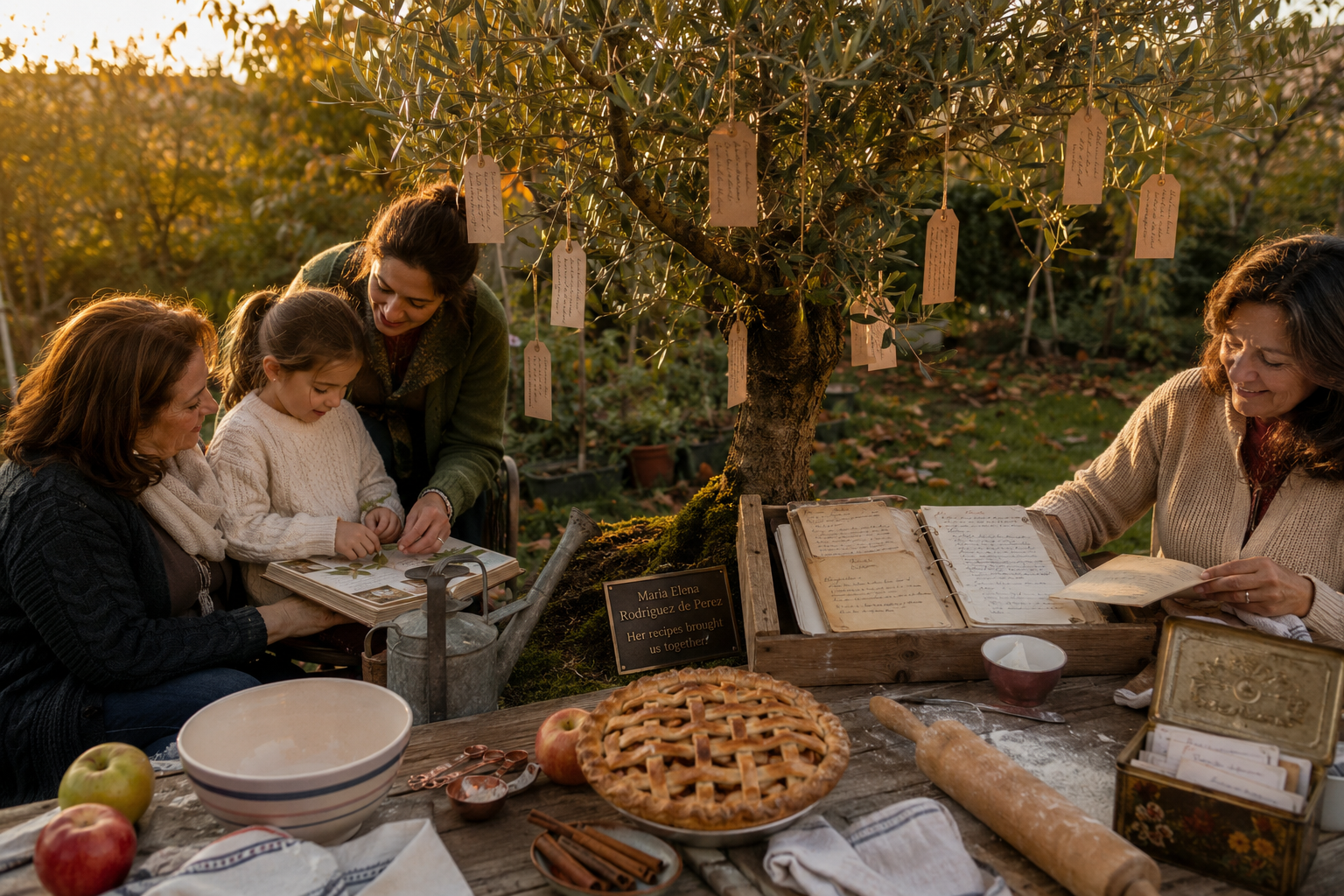
Memory often lives in objects and routines. A recipe card, a favorite scarf, a garden bench become anchors that call a person back into the family’s present. Preserving those ordinary things matters less because they are perfect and more because they were ordinary together. A family can choose a single ritual, such as cooking one of their dishes every month, or marking a chair with a small plaque. These are not performances, they are permissions to keep returning.
Choose a living place for memory
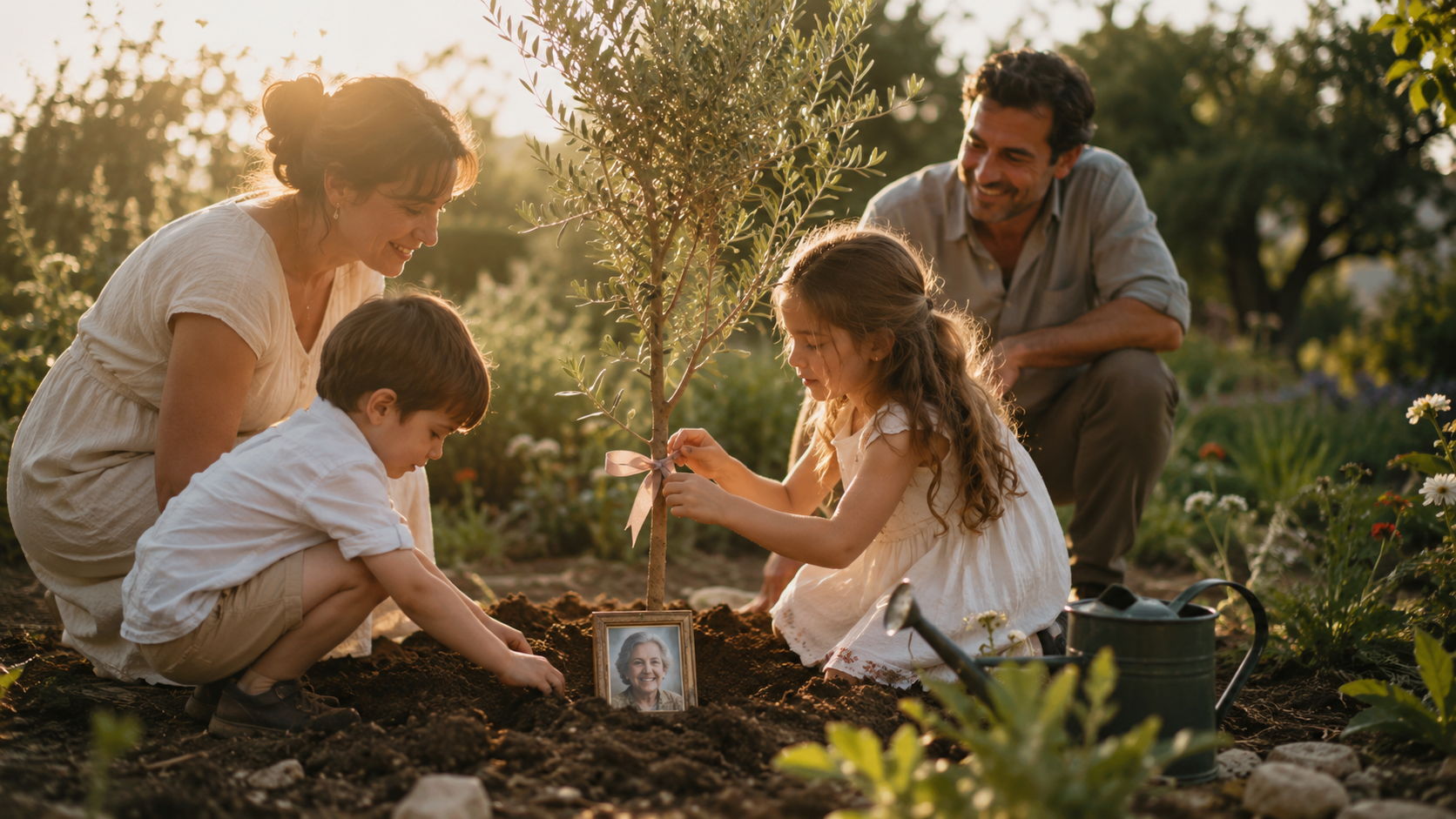
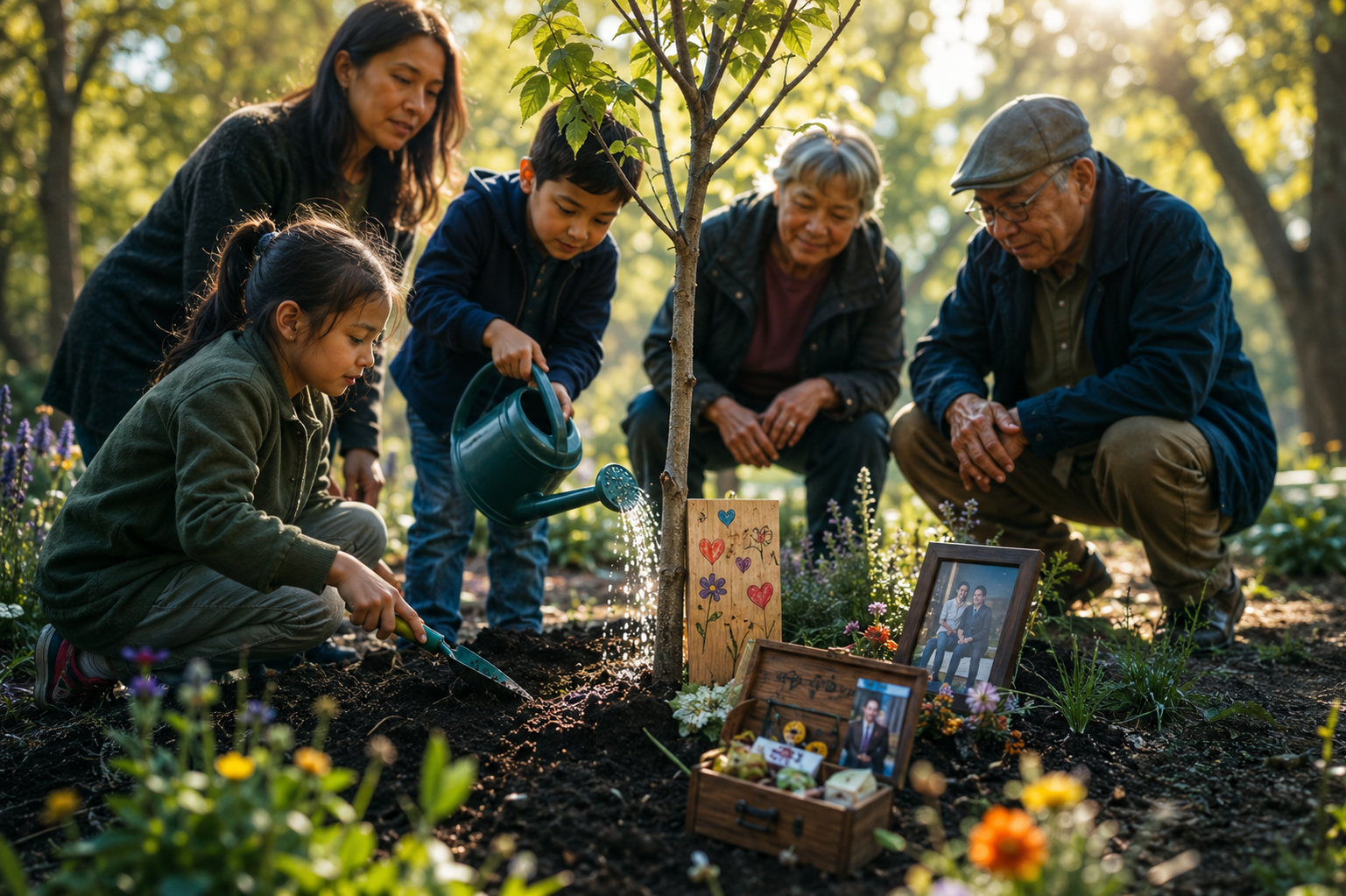
Planting something that grows gives a different pace to remembrance. A tree becomes a place to go when a memory feels raw and the calendar offers no help. Consider the species and what it might suggest about your grandparent. An olive suggests lasting peace, an oak suggests steadiness and strength. The choice can reflect a trait you remember, or a place that mattered to them. Where planting is possible, a living memorial does practical work: it restores land, welcomes wildlife, and creates a visible marker that changes with the seasons.
Practical considerations for a family memorial
Families often face simple logistical questions that stall decision making. Who will visit? Where is land available? Will the memorial be close to home or part of a larger restoration effort? Answering these questions together reduces pressure. It helps to list what matters most and what can wait. One member can take charge of the planting arrangements, another can curate the message for a plaque, and someone else can collect stories or recipes to share.
Who can be part of it
Include the people who will carry the memory forward. Children, cousins, neighbors, and friends; not everyone needs to be invited to every step. Let the planning be humble and practical, and let the act of planting be simple enough for those who want to attend.
Ways families keep a grandparent’s presence
There is no single right way. The options below are concrete starting points that families have used, each chosen for how it invites a small, repeatable action.
- Plant a tree in a place your grandparent loved, then visit on anniversaries or quiet days.
- Compile a small family recipe book with notes from siblings and cousins.
- Create a digital map of places that mattered: a garden, a church, a favorite bench.
- Record short audio stories from family members about a particular habit or phrase.
- Establish a yearly day of service, such as a garden cleanup or a walk in their memory.
Three reasons a living memorial can matter
- A presence that lasts: Unlike cut flowers, a planted tree continues to grow and change. Each season shows a different side of the person remembered, and the living memorial evolves with the family.
- A shared point of return: A physical place gives relatives a reason to gather. It becomes a map pin for stories to return to, an anchor for visits that might otherwise never happen.
- Meaning beyond grief: Planting supports the land. Families often find comfort in knowing that their act contributes to the environment, which can make grief feel like part of a larger conversation rather than an isolated pain.
One thoughtful detail most people overlook
When choosing a species and a place, think about how the memorial will be visited. A tree planted on private land may be beautiful but hard for distant relatives to reach. A tree in a public reforestation site offers a GPS location that family members can find years from now. If the family expects visitors who cannot travel, ask about a certificate or digital tracking of the tree’s growth. That small practical step makes the memorial accessible to those who live far away.
Care, time, and quiet responsibilities
A living memorial asks for a modest commitment. Someone needs to know who will water the sapling in its first year, who will check on plaques, and who will collect photographs. Turning these tasks into small, named roles prevents them from becoming burdens. A shared calendar reminder and a simple note about the watering schedule keep things practical and steady.
Honoring stories, not obligations
Memory is not a checklist. The point is not to complete a set of tasks and move on. The point is to shape a life of remembrance that feels sustainable and honest. Let the choices reflect the grandparent’s character. If they loved a joke, place a small sign nearby that shares it. If they prized quiet, keep the setting plain and simple. These small decisions hold as much meaning as formal ceremonies.
A gentle final note and how to begin
Start with a short conversation. Ask the question: what felt most like them? Let the answer guide the form. If a tree seems right, consider options that link place, species, and practical care. For families that want a simple first step, see resources on planting options and memorial kits at https://sentitree.com/memorial-tree-gift. If the family wants to explore broader possibilities, visit https://sentitree.com for more information about places and species.
Begin with one small thing
Memory grows when families return to it. Planting a small sapling, making a recipe together, or gathering stories at the kitchen table are actions that invite presence back into the ordinary. Over time, those actions form a living thread that keeps a grandparent’s life in view. If a tree feels like the right shape for that thread, learn more about planting options and how a living memorial can be part of your family’s way of remembering at https://sentitree.com.
Plant a real tree for someone you love
A living gift with an instant personalized certificate and the tree's GPS location.
Build Your Legacy Tree →