Honoring a Grandparent with a Living Memorial Tree
How planting a tree can keep a grandparent’s voice in family life: practical ways to choose a species, involve grandchildren, and turn memory into a yearly ritual.
When the smell of cinnamon drifts through a kitchen you once shared with someone who is no longer there, memory arrives as sound and scent. Planting a tree can hold that same sense of continuing presence, a living place where recipes, stories, and small rituals gather. This is how families keep a grandparent in the day-to-day: not as a photograph behind glass but as something that grows with the seasons.
Why a tree fits a grandparent’s legacy
Trees carry meaning across cultures. An olive tree commonly stands for peace, longevity, and continuity, making it a natural choice when the tribute centers on wisdom passed down at the dinner table. The oak is often used for strength, protection, and roots that run deep. Choosing a species is not only a horticultural decision, it is a way to name what you want to remember: patience, warmth, stubborn humor, or a life that sheltered others.
Practical steps to plan the memorial
Start small and keep the first acts simple. A memorial tree asks for a handful of care and ongoing attention rather than a single public ceremony. The following checklist helps a family move from thought to planting without pressure.
Site, species, and simple logistics
First, pick a place that people already use. A backyard where grandchildren run, a community garden plot, or a nearby park are all valid. Second, match the species to the place and the memory. An olive or an oak makes sense for longevity and symbolism, but native species often fare best and require less maintenance. Finally, plan who will care for the sapling during its first year. Even modest commitments—watering every other week, checking mulch in spring—make the difference between a memorial that survives and one that becomes a symbol that fades.
How to involve grandchildren and make memory active
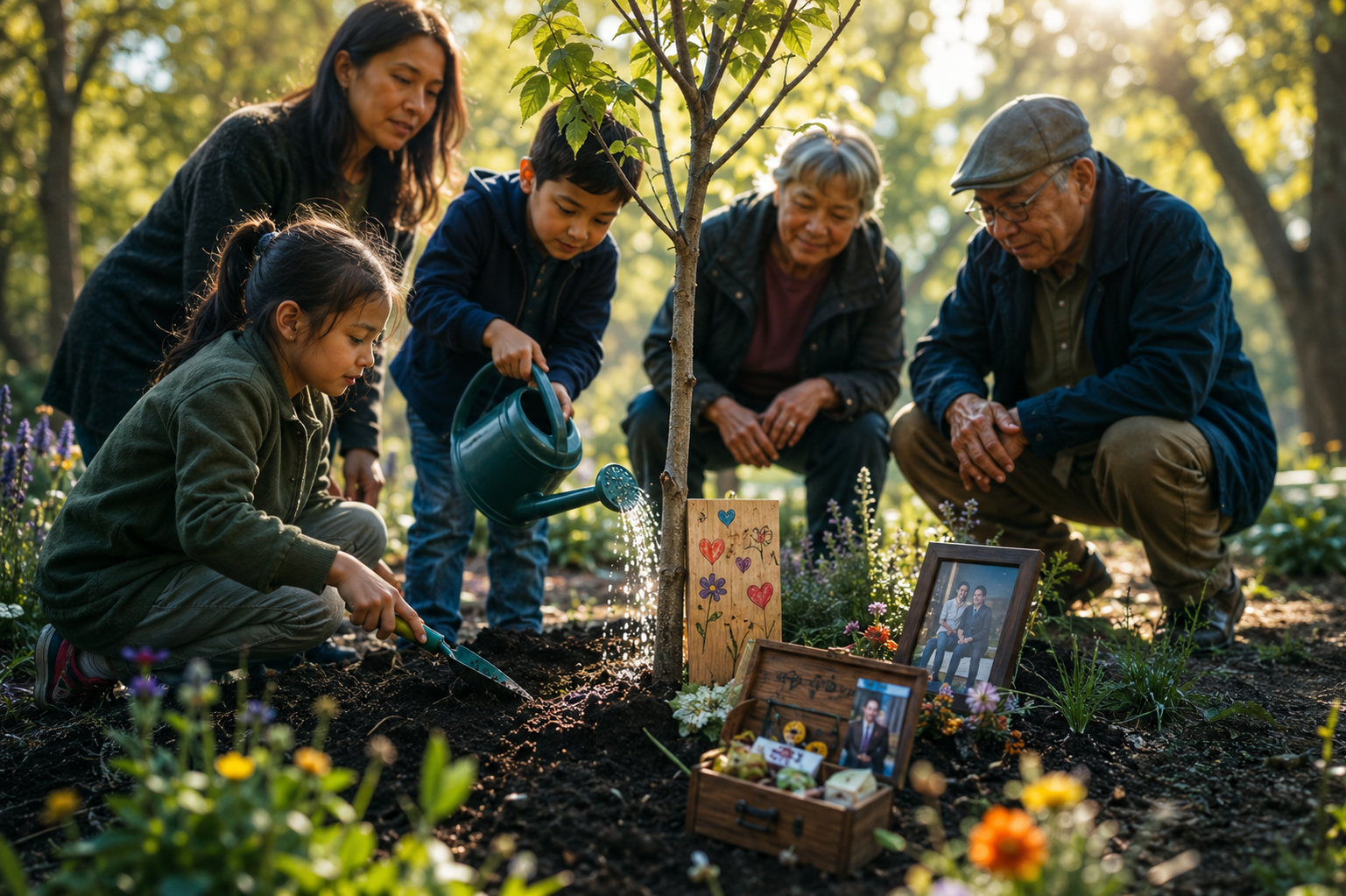
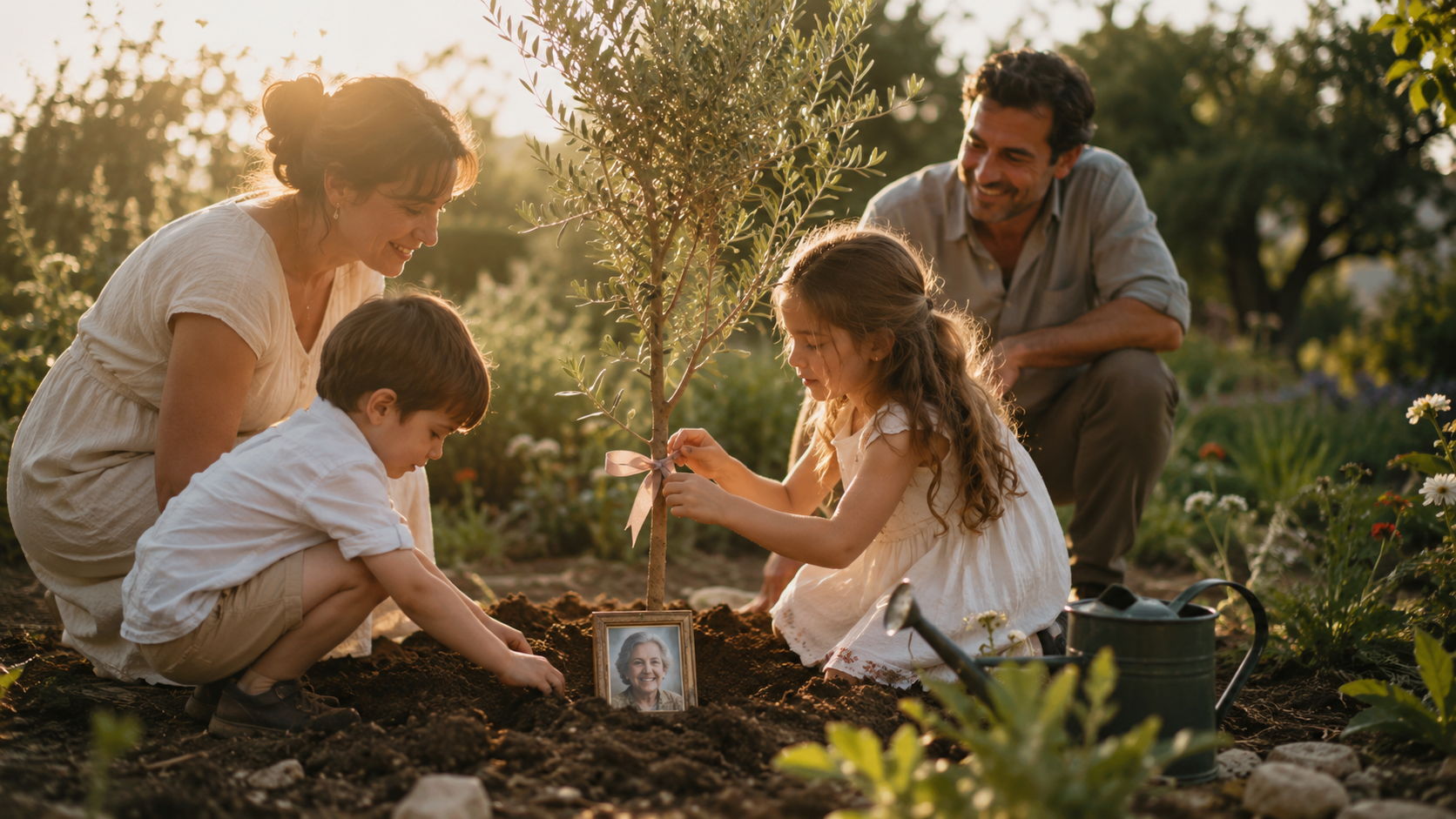
When children participate, the act becomes a family story rather than a private ritual. Letting them place soil, tie a ribbon, or write a short note creates gentle ownership and a reason to return. Ask each child to bring one small item that reminds them of the grandparent, tuck those items in a memory box, and place the box near the tree for the first year.
- Invite grandchildren to choose a name for the tree, then use that name when you gather each year.
- Have each child plant a seed or bulb nearby so the site fills in across seasons.
- Create a simple sign or painted stone that describes who the tree honors.
- Keep a small bound notebook at home where family members add a sentence or sketch after each visit.
A ceremony outline you can actually do
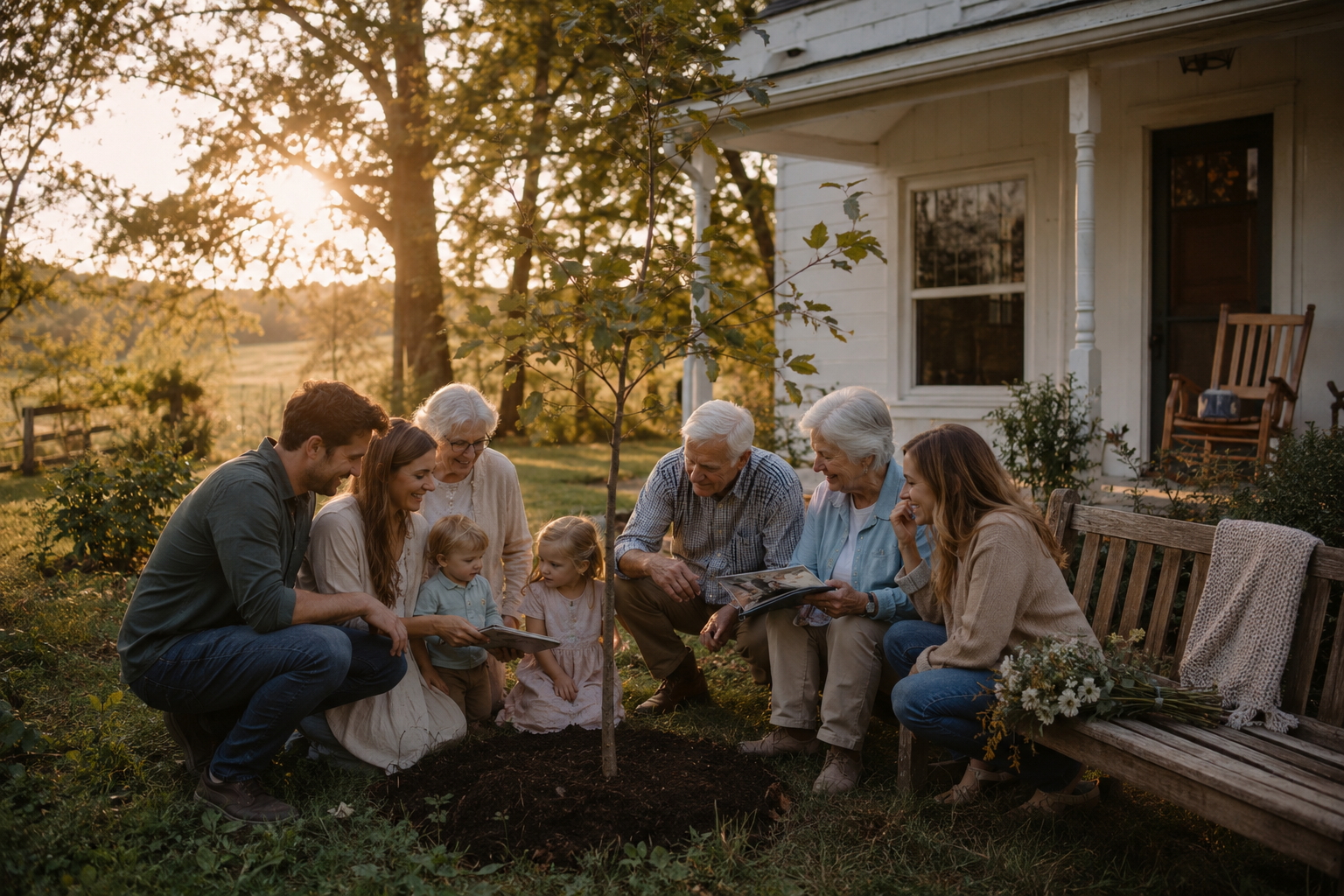
Not every family needs a formal service. A short, repeatable ritual is usually more useful. Gather, say a sentence about why you planted the tree, invite each person to drop a small handful of soil, and end with a toast: a cup of tea, a shared bite, or a moment of silence. Keep it under twenty minutes so people leave with a memory rather than exhaustion.
Three reasons a living memorial holds up over time
- A presence that lasts: Unlike cut flowers, a tree keeps changing. Each spring brings new leaves and a reminder that love was invested into something that will grow for years to come.
- A place to return: The tree becomes a site for anniversaries, birthdays, and small reunions. It gives grief a physical address where people can go to remember and to speak aloud what they carry.
- A pocket of shared care: Tending a sapling asks for practical acts—watering, mulching, watching—that translate memory into responsibility and connection between generations.
When a living memorial might not fit—and what to do instead
Not every loss is best honored with a tree. Urban renters, families with little outdoor space, and certain cultural or religious contexts require alternatives. In those situations, consider a seed kit shared with a local garden, a donation in the grandparent’s name to a tree-planting project, or a small indoor plant with a ritual of care that mimics the outdoor ceremony.
Keeping the memory alive through small traditions
Planting is the start, not the finish. Set a family habit that links ordinary moments to remembrance: cook one of the grandparent’s recipes on their birthday, read aloud a letter next to the tree in spring, or gather to clean the site before winter. Over time these rituals create continuity between day-to-day life and a larger sense of lineage.
A few concrete ideas that families have found useful:
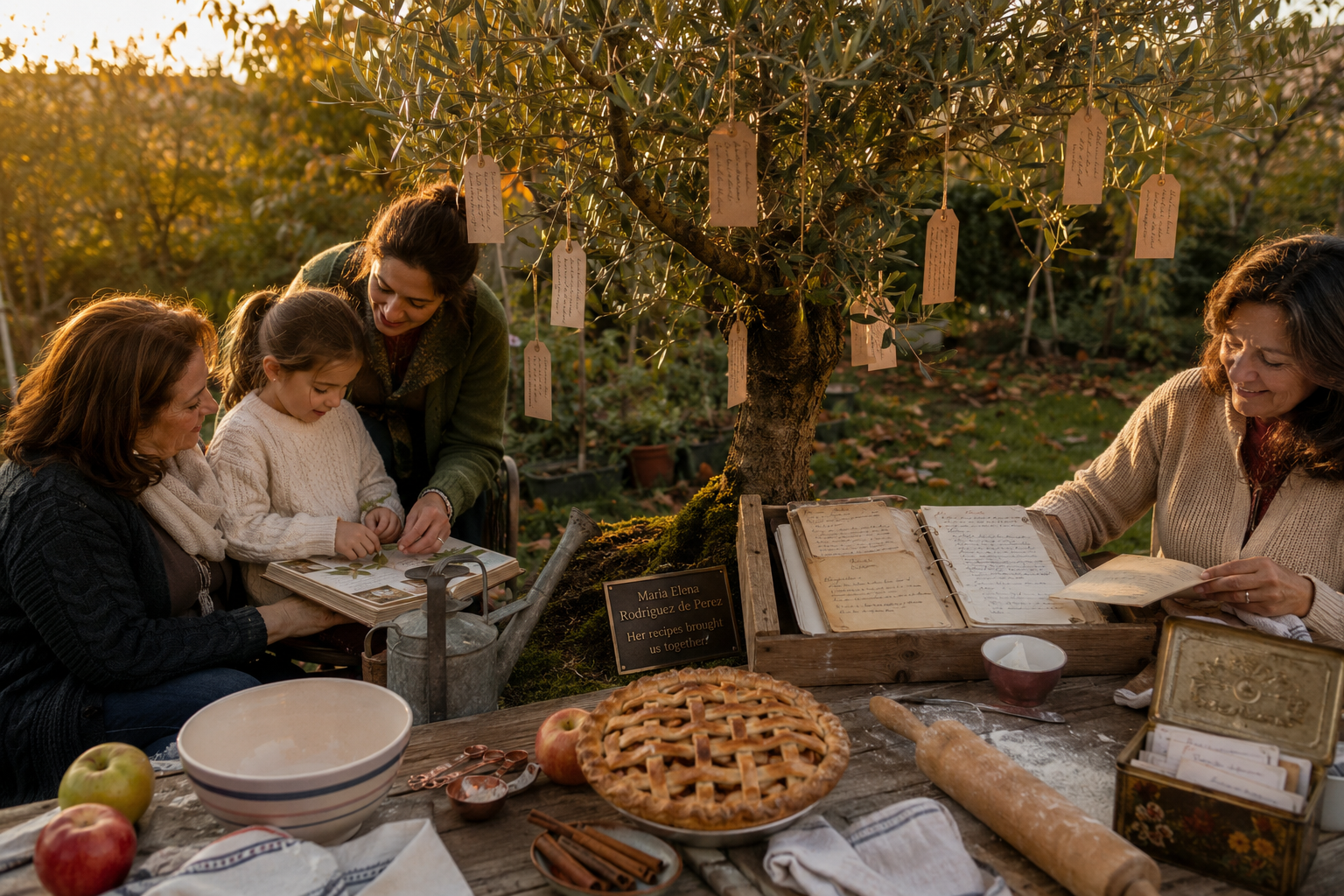
- Turn a favorite recipe into a laminated card and place it in a family recipe box kept near a kitchen window where the tree is visible.
- Record short voice memos of grandchildren telling a memory, then store them with the certificate that records the tree’s location.
- Choose a single song or poem to read each year and teach it to the youngest family members so the ritual becomes portable.
Final notes and a way to start
Planting a tree for a grandparent is an ordinary act with an unusual reach. It changes the way a family carries memory: from something private and fragile into something that grows, seasons, and invites return. For many families, planting is not a final answer but a habit that lets a life remain part of future kitchens, gardens, and gatherings. Some families choose to plant a memorial tree as a practical way to begin. Whatever you choose, keep it simple, keep it shared, and let the tree be a place to tell the stories you do not want to lose.
Begin a living memorial
Decide on a place this week, invite one person to help, and make the first small act of care. A single season of attention will set a tree on its path, and with it, a place where your grandparent’s presence can return each year.
Plant a tree in their memory
A lasting memorial that grows for generations, with a GPS certificate.
Plant a Memorial Tree →