Public Honors, Private Grief: Honoring a Veteran Privately
When a veteran refused parades and public praise, families often look for quiet, lasting ways to remember. Practical private memorials that respect service and personal wishes.
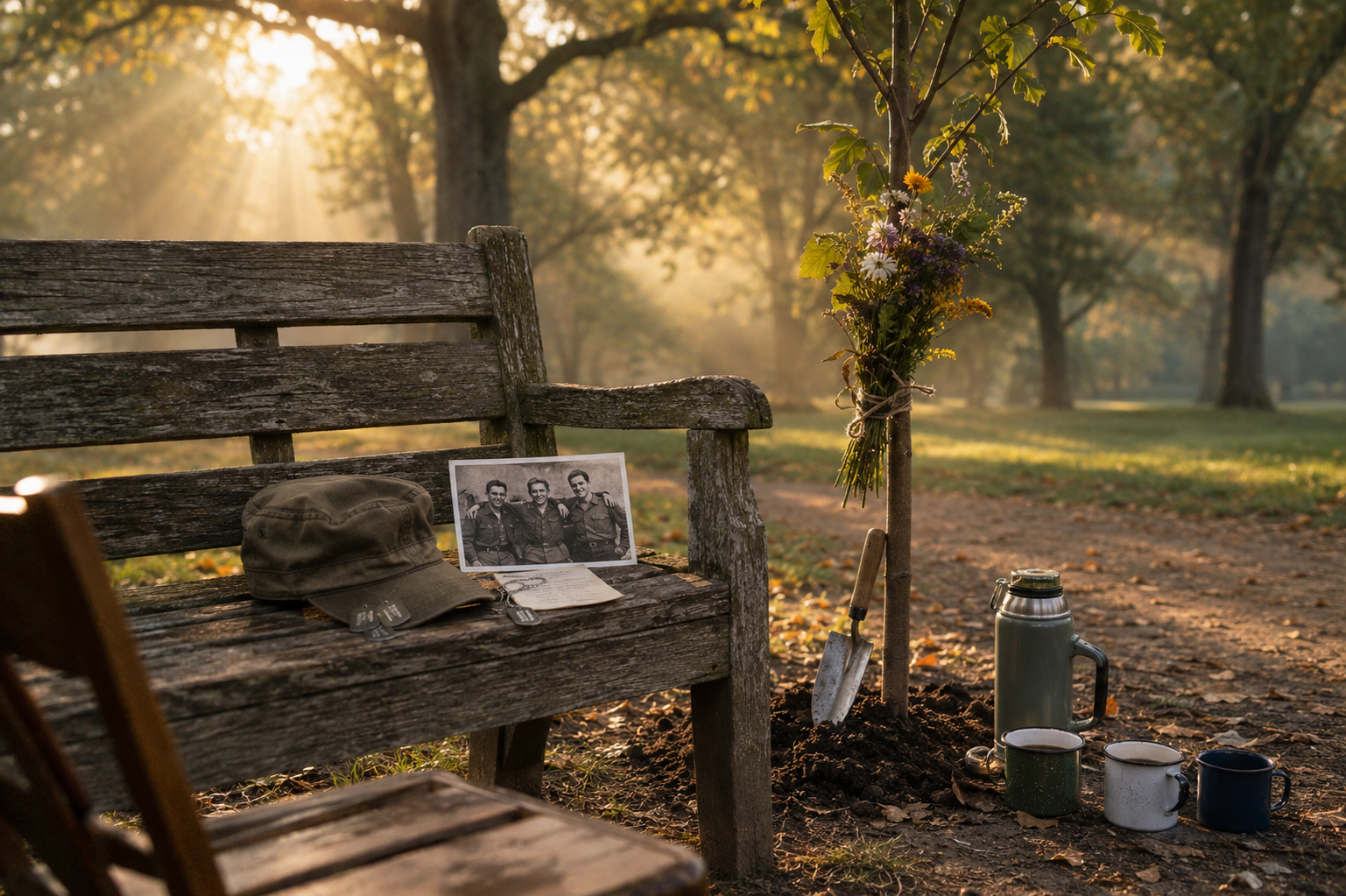
He never wanted a parade. After decades of service he would change the subject when family and friends praised him. When he died, the town wanted to organize a formal tribute. The family chose something small instead, a way that felt honest to his life and private in the way he had asked. They planted a tree, left a worn cap on a bench, and invited two old shipmates to tell one story each. It was enough. It held everything that mattered.
Why private memorials can fit a veteran’s life
Not every life wants to be framed by ceremony, and veterans are no exception. Military service shapes rhythms and loyalties, but it does not erase a person’s private preferences. Private memorials allow the family to honor service without re-creating the public spotlight the veteran avoided. They also offer a durable, physical presence that friends and family can return to, quietly and on their own terms.
Practical private memorial ideas that respect service
The options below are concrete and modest. Each idea keeps service visible without turning grief into spectacle.
- Plant a small living memorial: choose a tree or shrub that fits the local climate and will mature into a place to visit.
- Create a shadow box: place uniform items, dog tags, photos, and a brief handwritten note in a simple box kept at home.
- Curate a listening session: invite one or two fellow service members to share a short story over coffee, recorded only if the family wishes.
- Designate a quiet annual ritual: a short walk to a favorite view, a candle lit on the anniversary, or a small picnic at the tree’s site.
- Make a practical donation: support a veterans charity or a local program the veteran valued, in their name, without public announcement.
Planning a private remembrance that feels right
A private tribute asks for restraint. It asks you to decide who truly needs to be there and what objects are meaningful. Start with two questions: what would have felt most honest to them, and who will want to hold this memory with you? The answers often point away from large guest lists and toward one or two carefully chosen acts.
Who to invite and how many
For veterans who disliked ceremonies, three to ten people is often enough. Close family, a partner, and one or two comrades can hold a story without turning it into an event. If you invite a fellow service member, ask them to speak briefly about a particular moment rather than give a eulogy. That narrows focus and keeps the tone intimate.
Objects and gestures that carry meaning
Objects hold history. A well worn cap, a service notebook, a faded photograph, or a ration tin from years ago can all be placed near a newly planted sapling or on a bench. These items keep a life tactile in ways words sometimes cannot. If ashes are part of the question, a tree planting as an alternative or an accompaniment to a scattering visit can create a lasting place to return to.
How official honors fit with private choices
Families often worry that choosing a private memorial precludes official military honors. That is not the case. Many families request the basic military funeral honors and still choose a private living memorial later. The two acts answer different needs. Military honors acknowledge formal service and public recognition, while a living memorial offers a personal, ongoing place for memory.
If you are arranging honors, a practical note: families usually work through the funeral director or a local coordinator to request military funeral honors. A discharge document such as DD Form 214 is typically needed to confirm eligibility. The funeral director can help explain what is offered and how a private remembrance can follow.
Three reasons a private living memorial can matter
- A presence that lasts: A tree grows and becomes a place people return to, offering continuity rather than a single public moment.
- A tribute on your terms: Private acts let family shape tone and attendees so the memorial matches who the veteran actually was.
- A practical focus for grief: Planting, caring, and visiting provide deliberate tasks that help translate loss into repeated, gentle action.
Small rituals that keep memory alive
Ritual does not need to be ornate. Little acts performed each year build a living pattern. For some families this looks like visiting the tree on the veteran’s birthday and leaving a small flag or a handwritten note. For others it is performing a simple housekeeping task, like oiling a pocketknife or repairing a jacket and placing it by the memorial bench.
Practical checklist when you plan
Below is a short checklist to guide a quiet memorial, whether you are planting a sapling or arranging a morning of remembrance.
- Choose the place that mattered most to them, or a neutral public spot where visits are private.
- Decide on the guest list and keep invitations personal, by phone or in handwritten notes.
- Gather a small set of objects to display, limited so each item has meaning.
- Consider a simple record: one photo, one short audio clip, or a single page of reflections to keep with the object.
When private memorials meet the community
Sometimes a private act becomes public later. A family tree may attract neighbors who want to leave a flower, or a small plaque may prompt questions from visitors. That is usually welcome. Private grief and public curiosity can coexist if the family chooses how much to share. The living memorial then becomes a quiet bridge between personal memory and collective respect.
Closing thought and a practical option
Honoring a veteran who refused the limelight requires honesty. Choose the acts that fit the person instead of the ones that look right on a program. For many families, planting a tree offers both privacy and permanence. It creates a place to return to on hard days and on anniversaries, a small living marker of service kept on the family’s terms. If a living memorial feels like a match, one way to begin is to plant a memorial tree and make that place the gentle center of remembrance. For more information about memorial options, visit Sentitree.
Plant a tree in their memory
A lasting memorial that grows for generations, with a GPS certificate.
Plant a Memorial Tree →