How to Organize a Memorial Reforestation Project
A practical, step-by-step guide to planning a memorial reforestation project that honors a person while restoring land. Covers site selection, permits, species, fundraising, and long-term care.
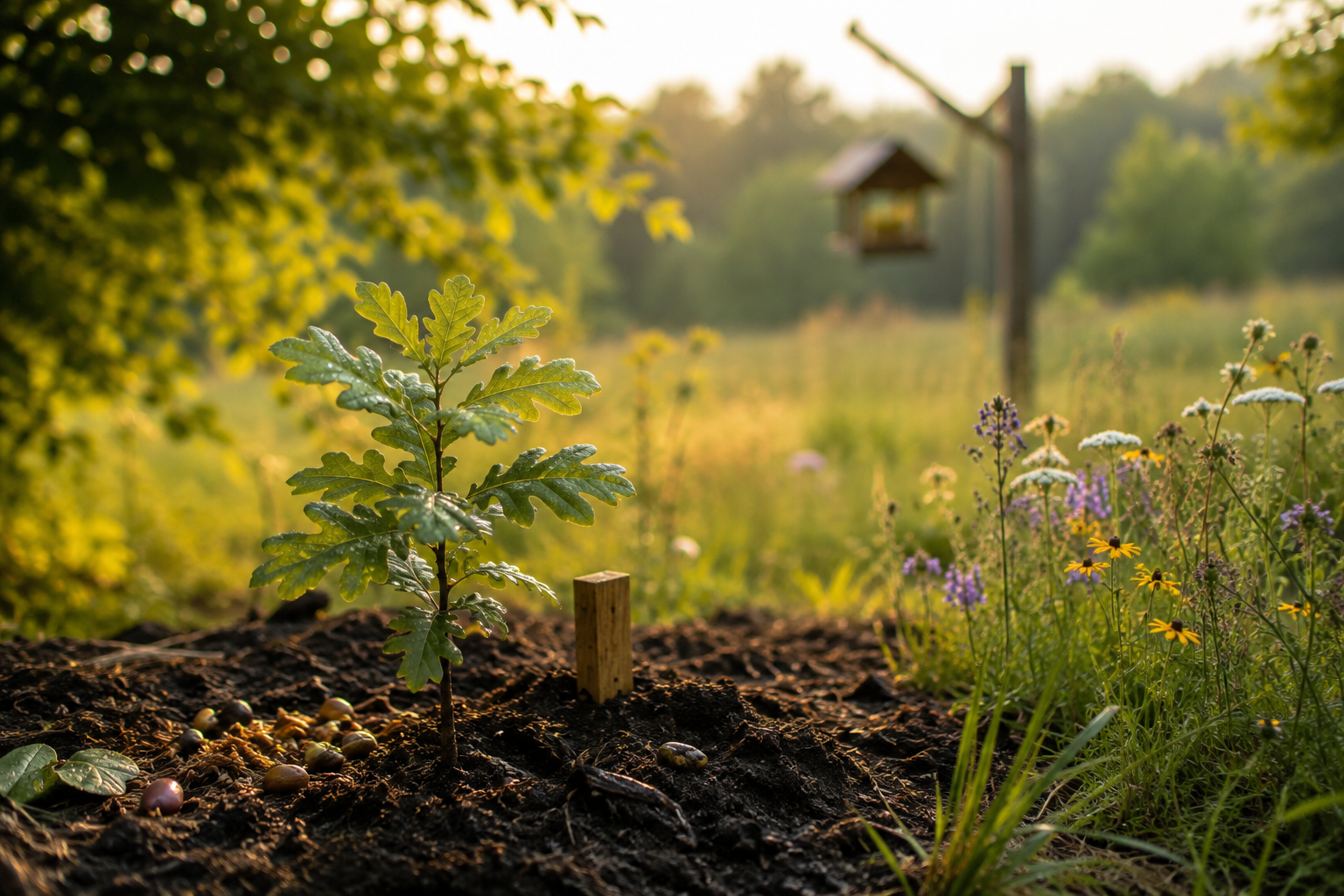
When a family wanted more than flowers for a beloved teacher, they did not want a plaque that faded. They wanted soil that would remember. A memorial reforestation project can hold a name and do quieter work at the same time: repair a hillside, bring birds back, and give a place for people to return to. This is a practical guide for creating that kind of living tribute without assuming you already know the rules.
Define the purpose and shape of the tribute
Start with a simple decision. Is this a single dedicated tree, a small grove for family visits, or a larger reforestation effort meant to restore habitat? The size and intent will determine everything that follows. Be explicit about whether the project is private or public, whether the family wants names on plaques, and whether the tribute should prioritize ecological restoration, public education, or a quiet place to visit.
Choose a site and secure permissions
Find land that actually needs trees: a degraded slope, a riparian buffer, or a park area identified for restoration. Never assume you can plant on a patch of public land without asking. Reach out early to the landowner or manager. For public parks, city forestry departments often require permits, approve species lists, and assign planting locations. For private land, get written consent and clarify who will care for the trees over time.
What to ask the land manager
Before you order trees, confirm these points: who holds liability, whether digging is allowed, if plaques are permitted, and who is responsible for watering after the first season. Permit timelines vary, so build approval time into your schedule.
Match species to the land and the message
Choose native or locally adapted species. Native mixes improve resilience and support local wildlife. If the memorial also has symbolic value, find species that fit both the ecology and the sentiment. Avoid aggressive non-native species that can harm the site over time. When in doubt, ask a local restoration group or extension service for recommendations.
- Riparian sites: willows, alder, or native shrubs suited to wet roots.
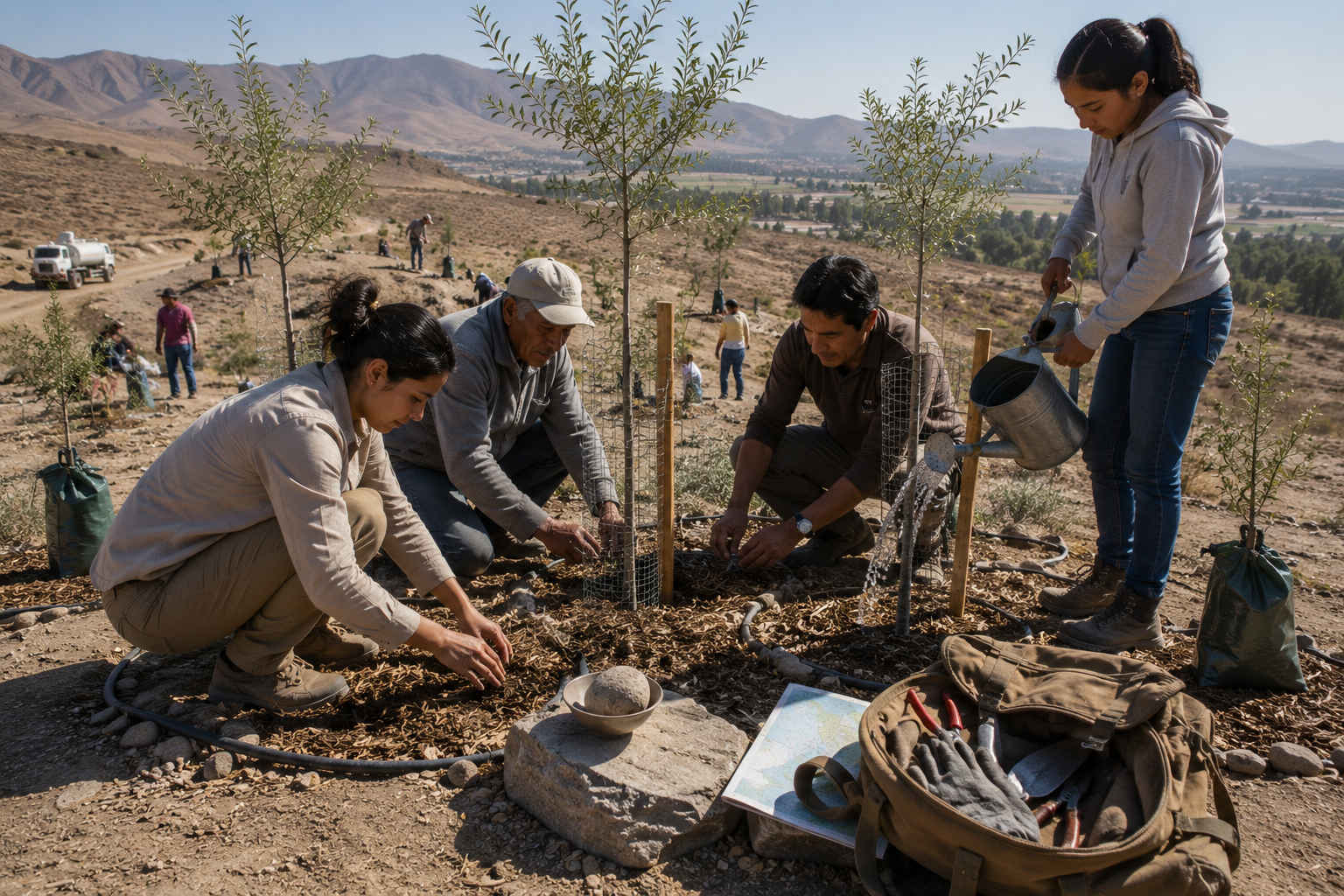
- Dry hillsides: hardy pioneer species that stabilize soil, later replaced by canopy trees.
- Urban parks: smaller native trees that tolerate compaction and pollution.
- High-elevation sites: species adapted to short growing seasons and wind.
Plan the project and the budget
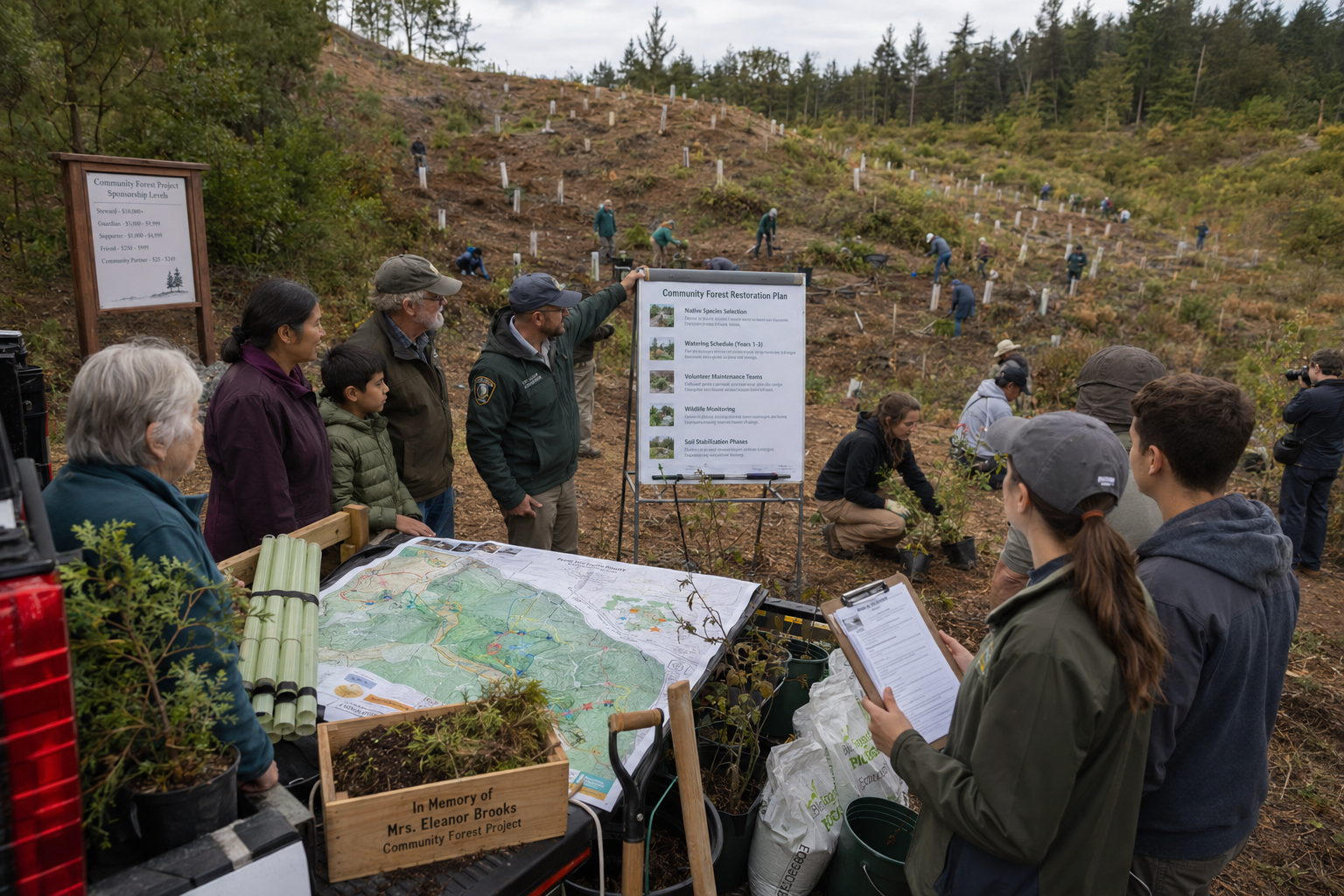
Good plans keep memorial projects from failing in year two. Create a short project plan with roles and a modest budget. Include costs for trees, soil amendments, mulch, stakes, basic tools, signage, permit fees, and ongoing maintenance for one to three years. Assign a maintenance lead before planting. Project survival often depends on who will water and check the saplings after volunteers leave.
Fundraise and offer respectful donor options
If funds are needed, offer clear, modest options: sponsor one tree, fund a row, or cover maintenance for a season. Be transparent about where donations go. If you promise a printed plaque or a named tree, confirm that the land manager allows such recognition. Avoid commercial language in memorial descriptions. Keep donor recognition modest and focused on care, not on promotion.
Planting day and ceremony basics
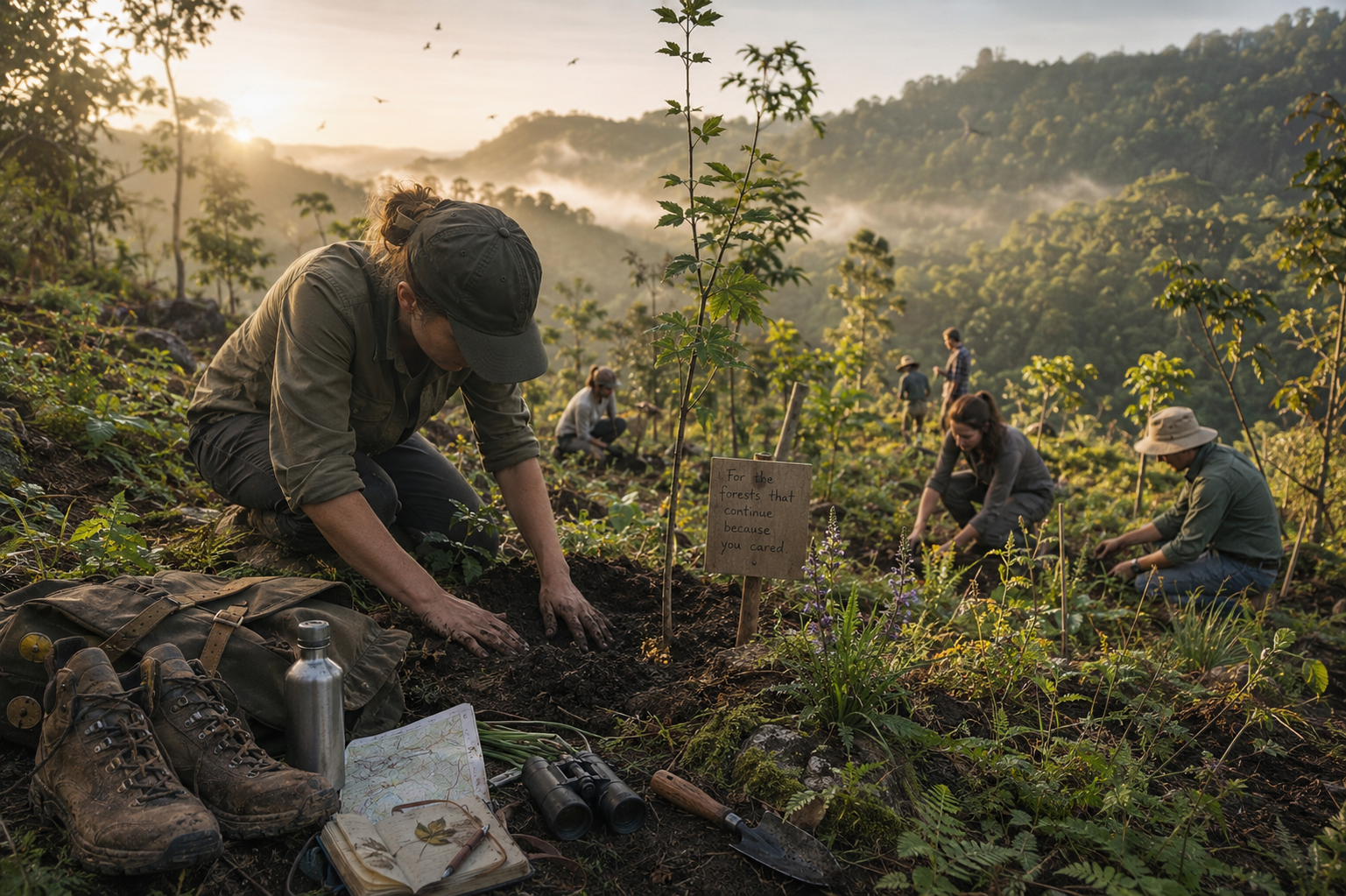
Planting day can be public and brief, or private and small. Keep ceremonies short and optional. Provide clear orientation for volunteers: how to handle roots, how deep to plant, and basic watering. Mark the spots in advance and protect young trees from trampling. Photograph with permission and keep the photos for a private family album or a shared update to donors.
Three reasons a memorial reforestation project endures
- Shared stewardship: A living memorial that includes a maintenance plan invites continued care from family or community, which keeps memory active and practical work ongoing.
- Ecological benefit: The project restores land and supports wildlife, giving the memorial a dual purpose that benefits the wider community and avoids feeling purely symbolic.
- A place to return: Unlike ephemeral gifts, a planted site becomes a steady address for memory: someone can visit, sit, and speak aloud years later in a place that changes with seasons.
One practical, non-obvious step: phase the planting
Nurseries and permit windows do not always align. Consider a phased approach: establish hardy pioneer species first to stabilize soil and then add longer-lived canopy trees in following seasons. This spreads cost, increases survival, and fits the reality that permits and nursery availability sometimes delay ideal planting dates.
Plan for long-term care and communication
Decide who will water, replace failures, and monitor the site. Regular updates to donors and family keep the memorial alive in people’s attention. A brief annual note or photo is often enough to show the site is thriving and cared for. If the project is intended as a family place, think about how visits will be coordinated and whether any formal rules are needed to protect the site.
Closing: a way to give continuity
A memorial reforestation project is both a tribute and an act of repair. If you want a bundled option that handles species selection, planting logistics, and a certificate for the family, consider options like plant a memorial tree that combine remembrance with stewardship. Planning carefully, securing permissions, and building a maintenance plan are the small hard steps that let a living memorial truly last.
Next step
If you are ready to turn a personal loss into a living project that also heals land, begin by asking the land manager two questions: who will steward the site, and which native species are recommended for this location. Those answers point the rest of the plan into place. Learn more or explore ways to plant a memorial that grows.
Plant a tree in their memory
A lasting memorial that grows for generations, with a GPS certificate.
Plant a Memorial Tree →