Honoring an Environmentalist with a Memorial Tree
How to choose a living memorial for someone who loved the earth. Practical choices on species, site, and ethical planting in Peru or Israel.
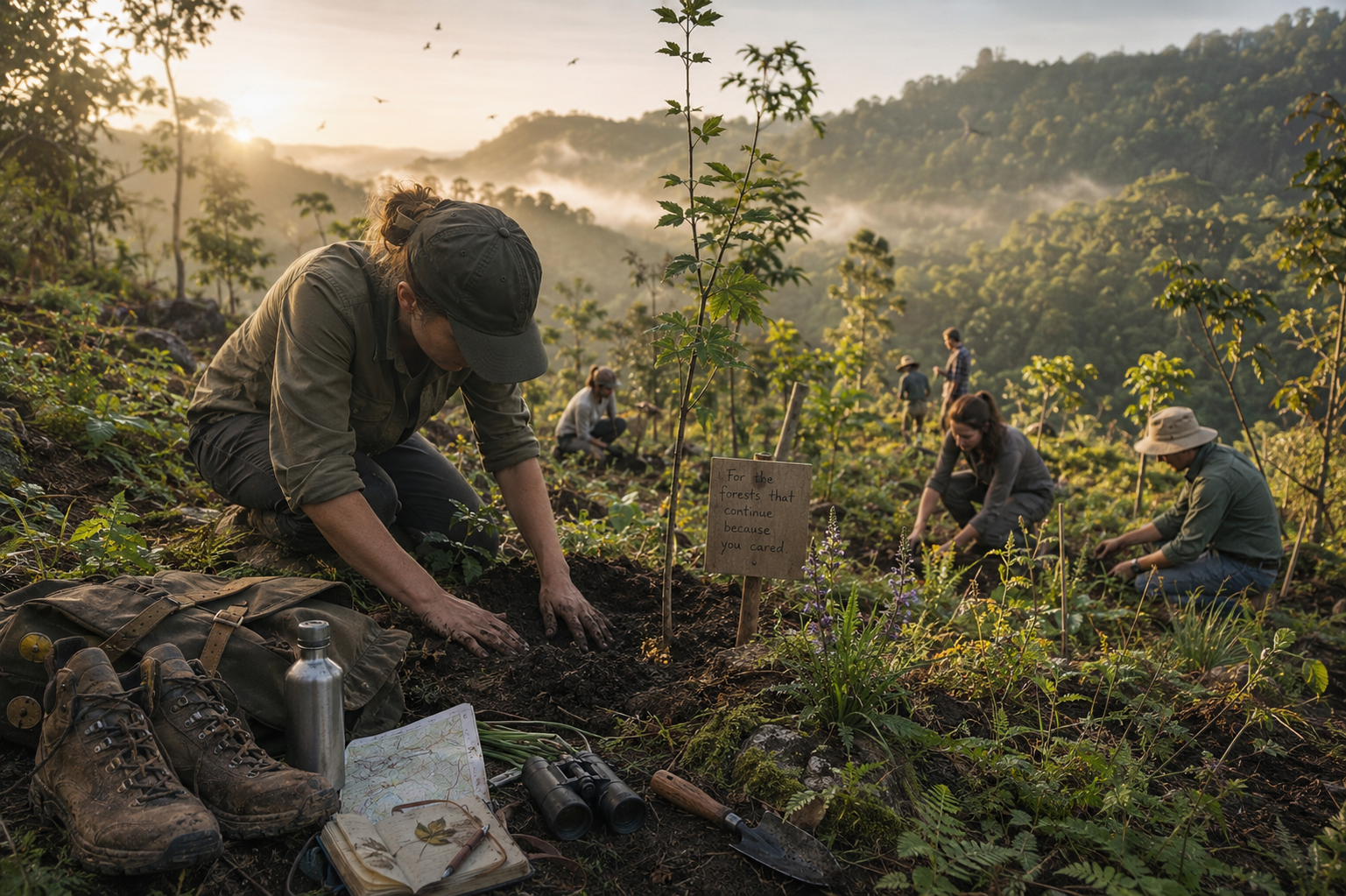
He carried a pair of old hiking boots in his trunk, and the smell of wet earth would remind those who loved him of the walks he took before dawn. When friends asked how to mark his life, the easy answers felt thin. A living memorial, a tree planted where it belongs, felt like a word he would have understood. Planting for someone who cared for the land asks for care that matches their values: the right tree, the right place, and the right reasons.
Why a living memorial matters for an environmentalist
For someone who worked to protect ecosystems, a memorial should not be merely symbolic. It needs to continue the kind of work they respected. A planted tree can be a quiet extension of values when it is chosen and placed with ecological purpose. That means asking questions about species, habitat, and local needs instead of defaulting to what looks pretty on a postcard.
Choosing the right species and site
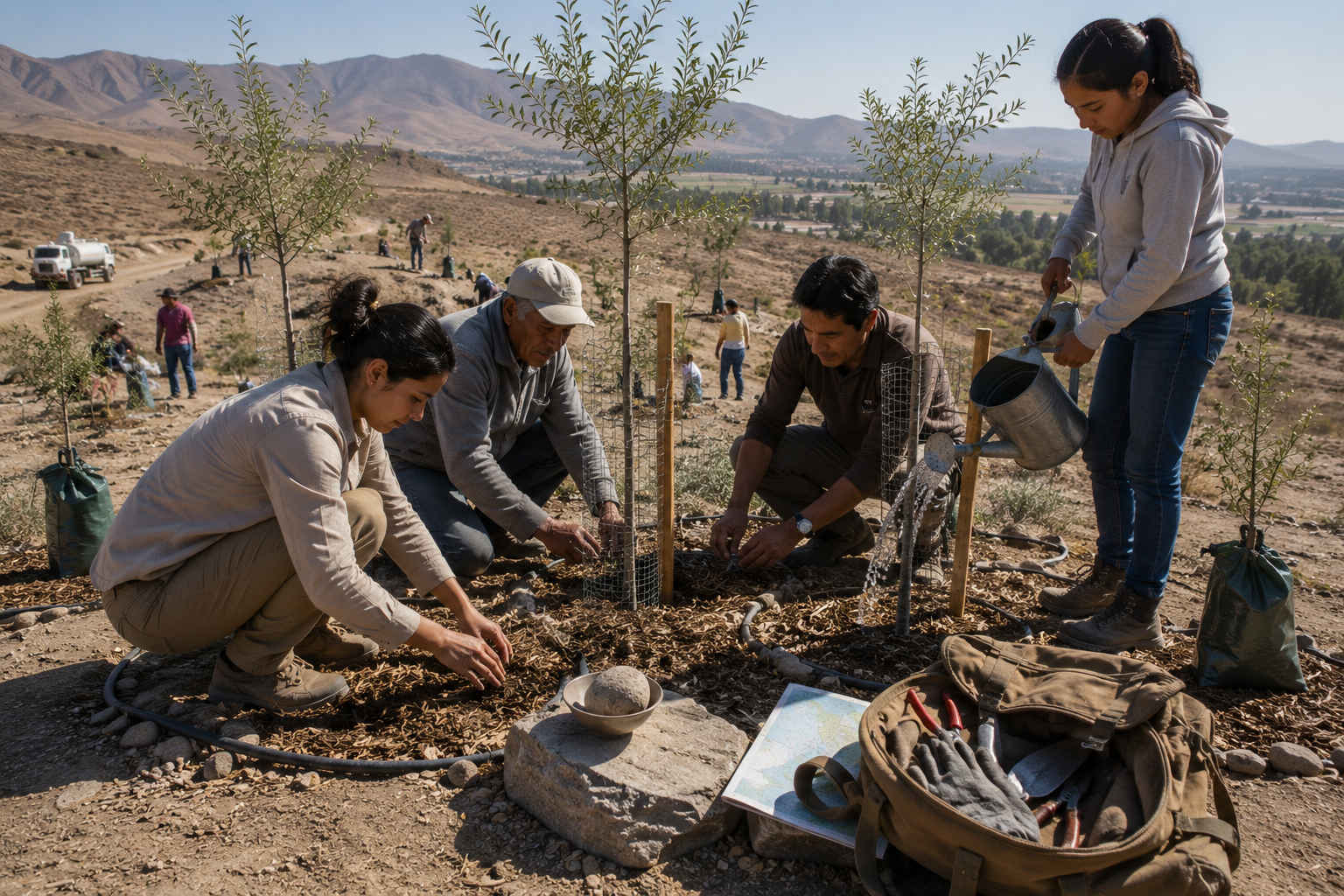
Begin by matching species to the landscape. Native species support local wildlife, use local water regimes, and reduce maintenance. In Peru that can mean Andean or Amazon-adapted trees depending on altitude. In Israel native Mediterranean species like olive or carob suit many dry slopes. Avoid exotic monocultures that can outcompete local plants or increase fire risk.
Questions to ask the program
When you order a living memorial through a program, ask specifically: Which species are being planted? Who chooses the planting site? How does the project ensure long-term survival? Is the planting part of wider restoration work that helps watersheds, wildlife corridors, or local communities? The answers tell whether the tribute will become ecological work or an isolated gesture.
Practical ways to honor an environmentalist
There are concrete formats that align memory with ecological care. Below are common options and how each fits different values.
- Dedicate a native tree in a restoration site that addresses erosion or habitat loss.
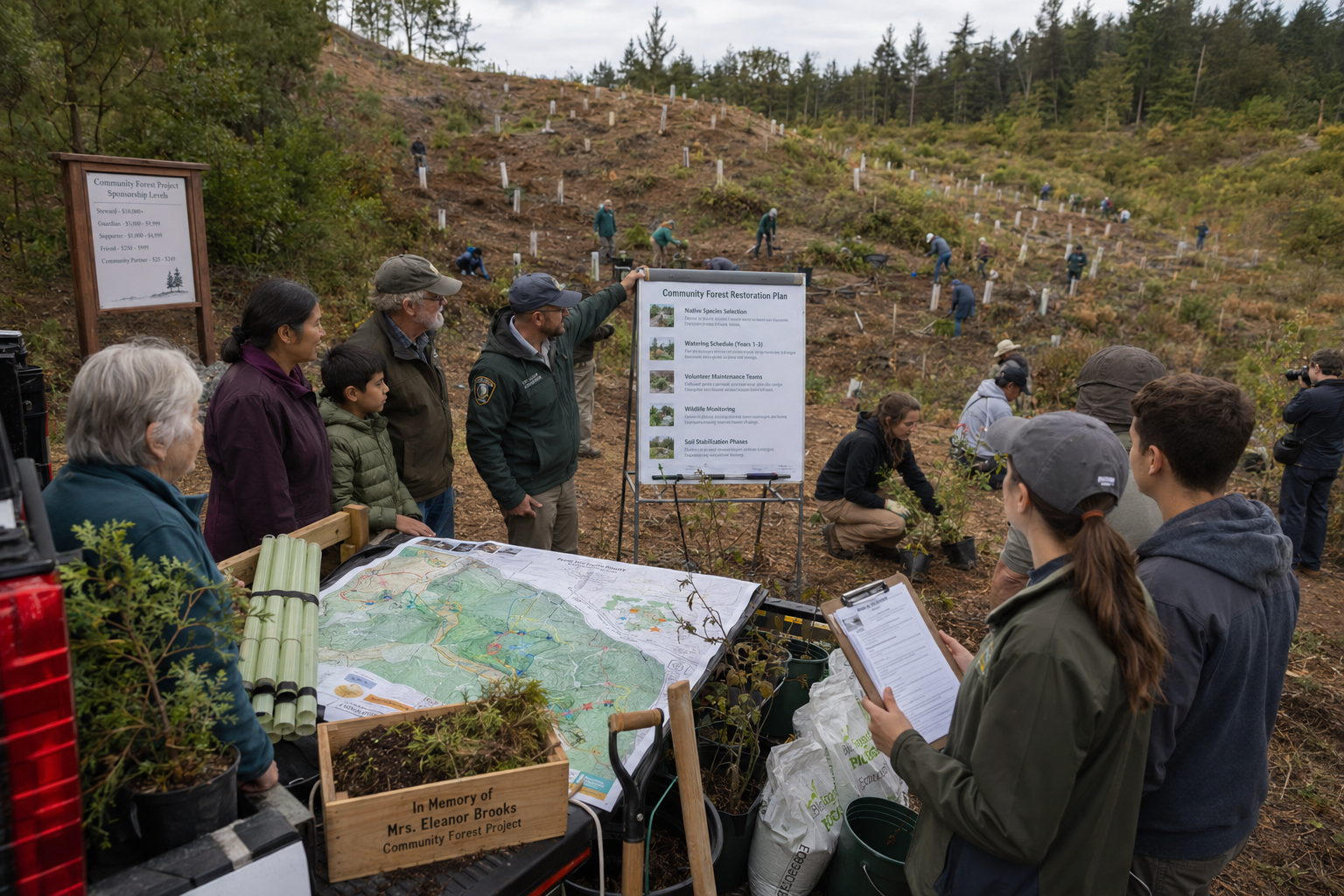
- Sponsor a mixed-species reforestation plot rather than a single commemorative sapling.
- Choose species that have cultural or practical value in the region, such as fruit or shade trees that benefit local people.
- Combine a living memorial with an educational plaque or small grant that supports local conservation work.
Three reasons to choose an ecological memorial
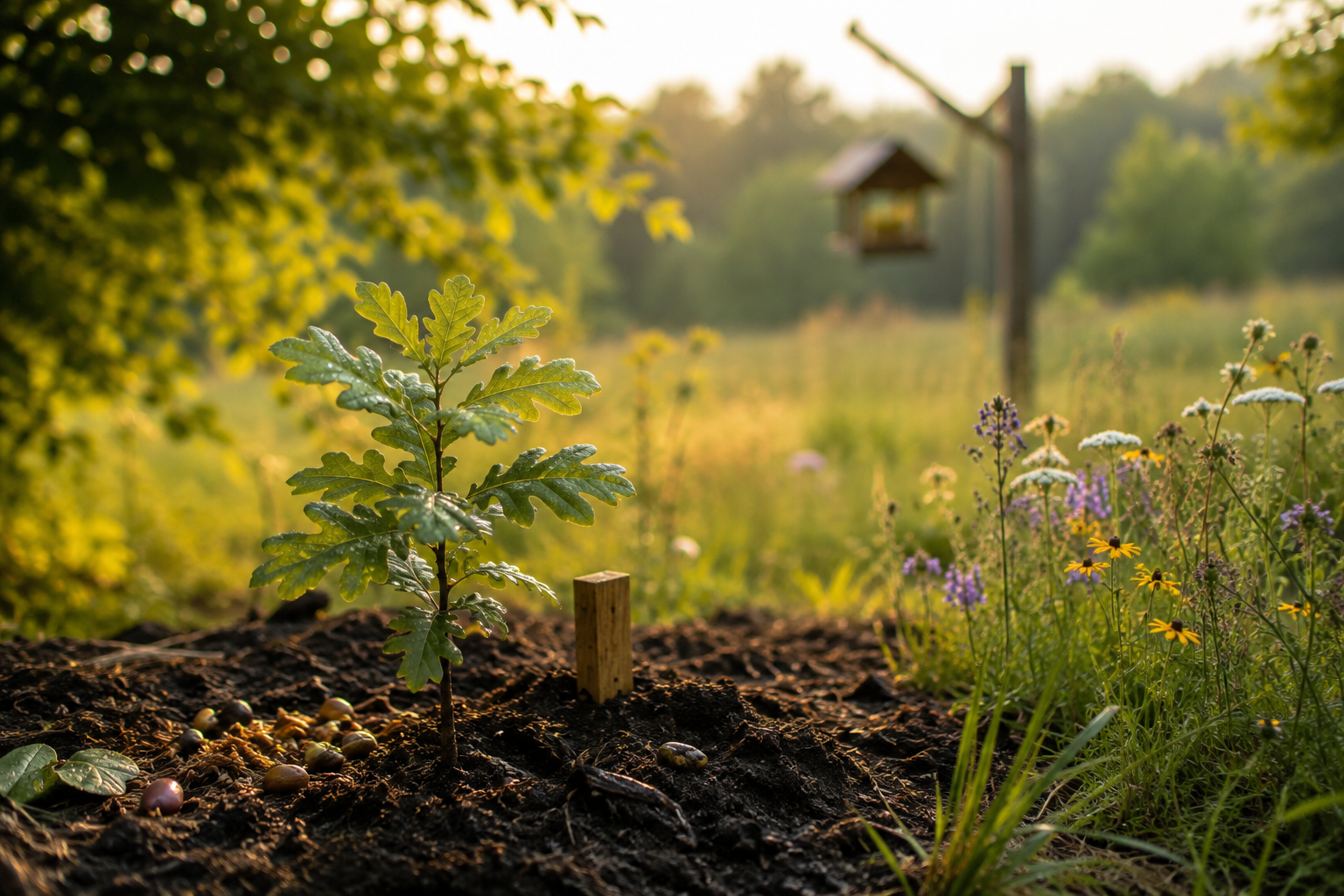
- A presence that heals: A tree can hold a name and create a place to return, but when it also restores soil or habitat it delivers practical benefits beyond memory.
- Respect for local systems: Choosing native species and proper sites shows respect for the ecosystems the person cherished, avoiding the harm of well-intentioned but poorly planned plantings.
- A gift that keeps giving: When planting is part of a larger restoration project, the memorial supports biodiversity, community livelihoods, or watershed health for years to come.
How to involve family and community
Memorials are both personal and shared. Some families prefer a quiet certificate that marks the GPS location. Others invite a small group to plant a sapling or to witness a dedication. For an environmentalist, consider involving a local NGO or community forestry group so the planting connects to on-the-ground care and knowledge.
Ethical pitfalls and how to avoid them
Planting without checking ecological suitability can create problems. Avoid programs that list only ornamental species, push large-scale monocultures, or cannot explain post-planting care. Look for transparency about survival rates and whether the project benefits local people. A thoughtful program will welcome questions and include answers about species selection and long-term maintenance.
What to say when you give this gift
Words matter less than intention. A brief note that names the person, points to the ecological purpose, and offers a moment to remember is enough. For example: “In memory of Lina, planted in a native restoration plot to honor her work for cleaner rivers.” If appropriate, the note can explain where the tree will grow and how it helps the local landscape.
One practical checklist before you order
- Confirm the species and whether it is native to the planting site.
- Ask if the planting is part of a broader restoration project or a standalone nursery planting.
- Request information on who maintains the site and how survival is monitored.
- Find out whether local communities are consulted and whether the planting supports local livelihoods.
More than a symbol: small actions that extend the gift
Pair the planting with something practical: a donation to a local conservation group, a small book or map of the restored area, or a yearly note that updates the family on growth. These choices turn a single act into an ongoing thread that connects a life and the land.
Closing thoughts and a gentle next step
For someone who loved the earth, the most fitting memorial honors the systems they cared for. Choosing a memorial tree with ecological purpose—native species, appropriate site, and a restoration context—keeps memory aligned with action. If you want to explore options to plant a memorial in a restoration project, you can plant a memorial tree and see programs that care for the land as they remember a life.
How to begin
If a living memorial feels right, start with one question: will this planting serve the place where it grows? That single standard will guide the rest. Learn more about thoughtfully chosen memorials at Sentitree.
Plant a tree in their memory
A lasting memorial that grows for generations, with a GPS certificate.
Plant a Memorial Tree →