Can You Plant a Tree Before Saying Goodbye to Your Pet?
Practical guidance for planting a living memorial before a pet’s euthanasia. How to choose species, plan the planting, involve family, and create a gentle ritual that lasts.
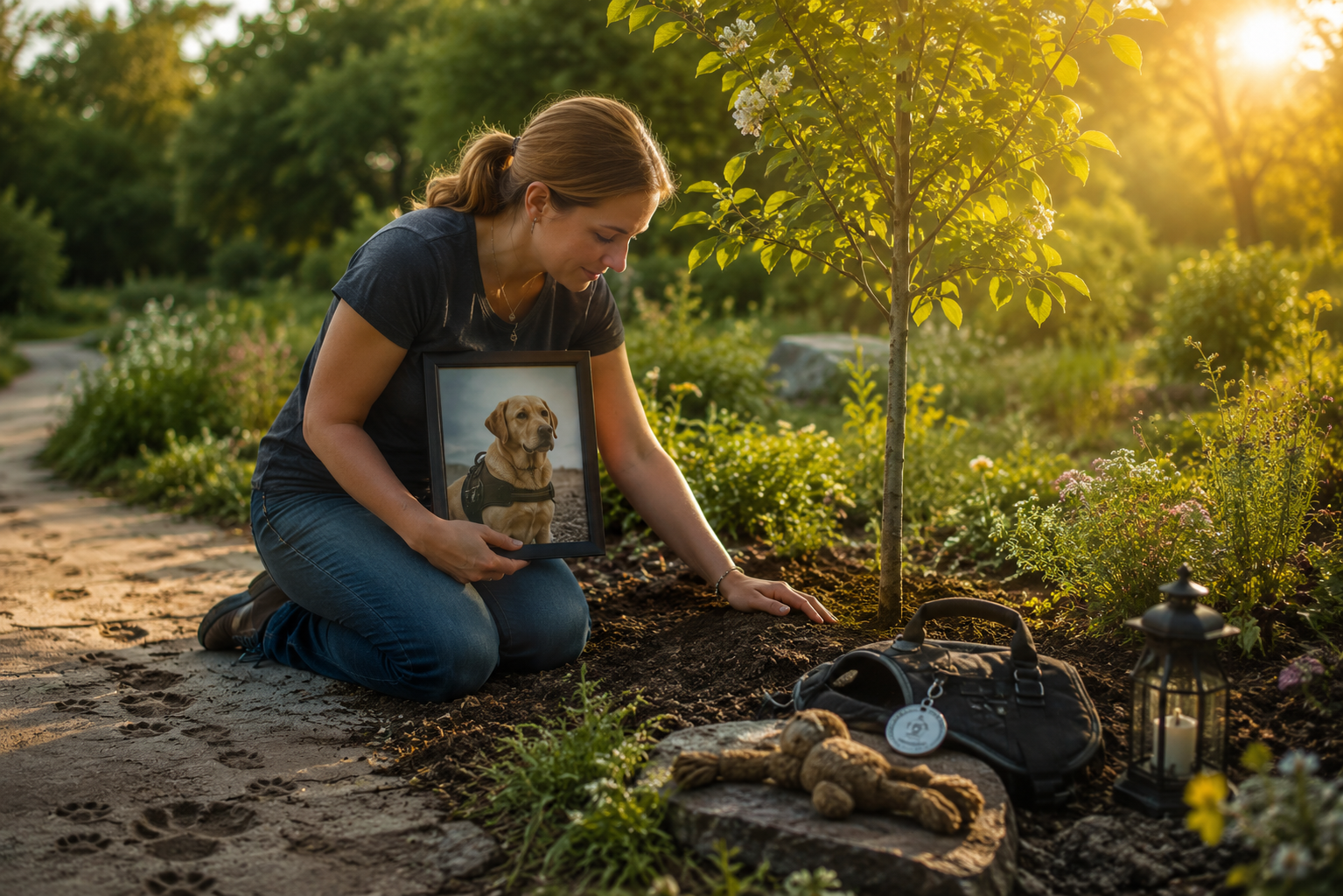
I remember the day my neighbor planted a small sapling under a window where her old dog used to sleep. They sat together in the late light while a few neighbors handed over shovelfuls of soil. The dog lay with moments of wakeful peace between naps. They did not wait for a funeral to mark the life. They chose a living place now.
Why people choose to plant before a pet’s death
When a pet nears the end of life, decisions arrive fast. Planting a tree beforehand gives a family a place to go that is already warm with memory. It lets people create a small, steady ritual before the final day, and it gives the pet a lived-in place to spend its last afternoons. For many, this feels less like staging a goodbye and more like granting continuity while there is still time together.
Practical steps to plan the planting
Start with logistics that matter. Check sunlight, soil, and space so the tree can thrive. Decide whether the tree will live in a backyard, in a community grove, or in a large pot that can move. If you plan to include ashes later, learn about appropriate placement so roots are not disturbed. When space is limited, a potted sapling you plant now and transplant later keeps the ritual intact without long-term site commitments.
Species and care at a glance
Choose a species that matches your climate and the care you can offer. Small ornamental trees like dogwood, Japanese maple, or redbud suit many yards because they offer seasonal change without massive roots. If you want symbolism, olive trees suggest endurance and oak suggests strength, but the simplest choice is the one that will survive where you plant it.
How to make the planting a gentle ritual
The planting itself does not need grandeur. A few clear gestures help the moment hold. Bring a favorite toy or blanket and place it nearby. Invite one or two people who will matter in years to come. Read a short memory aloud. Let the pet spend time near the sapling if they are comfortable. These small acts create a remembered structure that your family can return to.
- Plant a potted sapling now, then transplant it later if needed.
- Create a memorial corner with low maintenance groundcover and a small stone.
- Place a keepsake—like a collar or handwritten note—near the base, not buried under roots.
- Hold a short watering ritual the day you plant and again on anniversaries.
Words and actions that help when you do not know what to say
Silence is acceptable. A short phrase like, "Thank you for this time," or a single memory—where the pet chased the first leaf in autumn—can be enough. If you want to write something down, a small note placed in an envelope and kept in a box at home can travel with the family to the tree on important dates.
When ashes, burial, and planting meet
If your plan includes burial or adding ashes, keep root space and soil chemistry in mind. Many guides recommend planting the tree a few feet away from any burial or, if you place ashes in the soil, keep them shallow and to one side to allow roots to establish without concentrated salts. If you are unsure, consult a local arborist or the planting partner who helps you with the location.
How to involve children and other family members
Children often need small, concrete tasks. Let them press the soil, choose a stone, or water the sapling. Keep explanations simple and honest: say that the tree will grow and they can visit it. Small actions like a yearly note or a hand-painted marker let children take part in caring across time.
Three reasons a pre-euthanasia tree matters
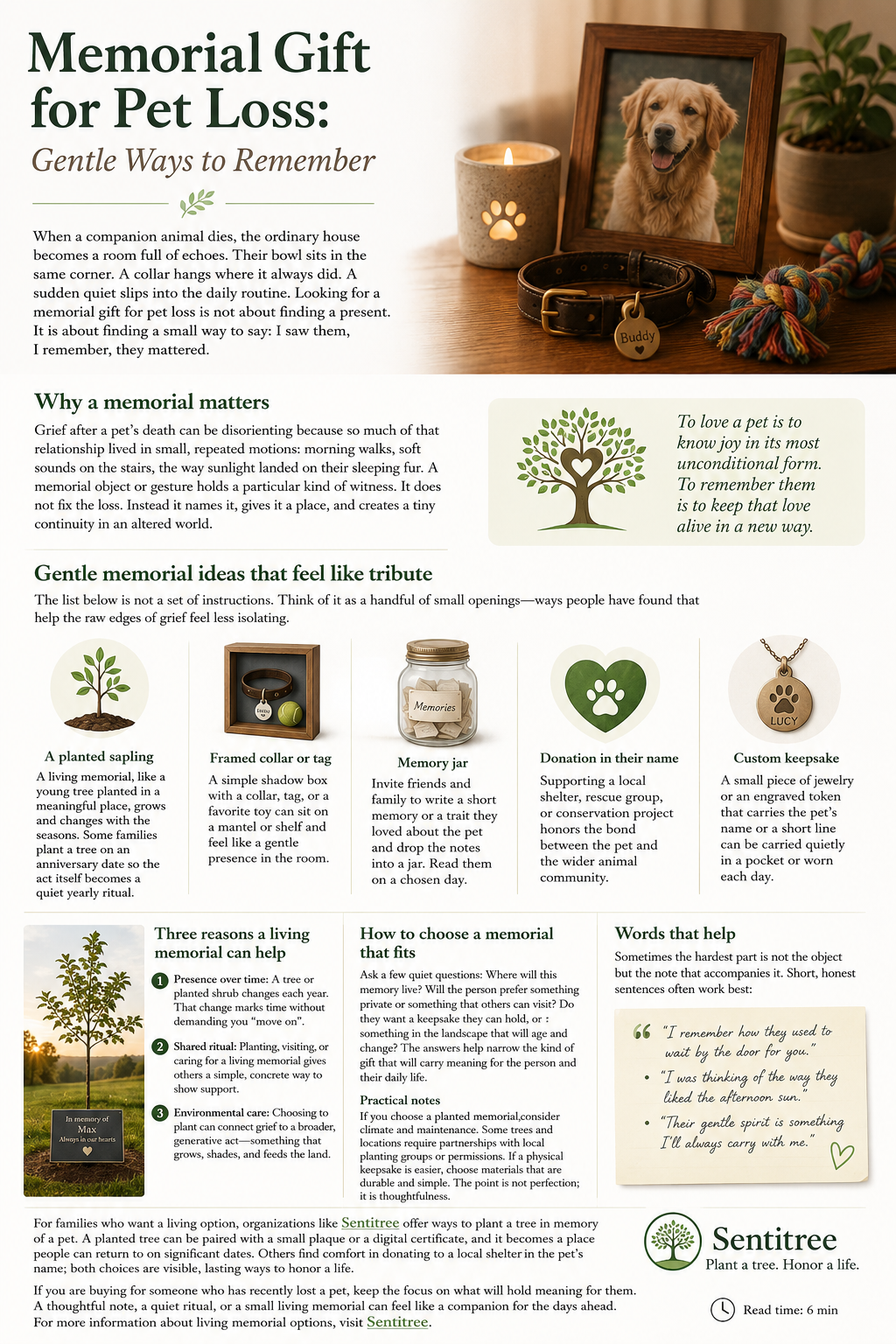
- Presence while present: Planting while the pet is still alive creates a place that was shared. It frames the tree as part of the time you had, not only as a response to its ending.
- A ritual that returns: A tree offers repeatable access. On hard days a visit simply gives a chore to hold and a small action to complete. That repeatability matters more than a single ceremony.
- A living address for memory: Over the years a tree gathers stories, photographs, and small offerings. That accumulation turns private grief into a place that can be returned to without the pressure of a performance.
Real choices families make
Some families plant in a private yard with a small plaque. Some order a sapling and keep it in a pot until they find a permanent site. Others choose a communal grove where visits can be shared with neighbors or loved ones who live far away. Each choice holds different practical concerns, but every choice creates continuity if it feels right for the family.
There is no single correct wording for a plaque or a ceremony. If you want a simple phrase, "In memory of" followed by a short name and dates is common, but many find space for a single memory line instead: "She loved the late afternoon sun." Keep the plaque brief and weather resistant so it ages with the tree.
When you should wait, and when to act now
If your household is unsure or if soil conditions are poor, consider a potted approach now. Waiting to plant until after a funeral is also a valid choice. Planting before euthanasia is for people who want a shared, living moment while the pet is still with them. There is no moral rightness attached to timing. The best time is the time that gives the family the sense of presence they need.
Closing and a gentle option to consider
Planting a tree before saying goodbye is a quiet, specific way to hold someone close while they are still present. If you want a way that feels both immediate and lasting, consider the careful planting of a sapling and the small rituals that surround it. For families seeking a guided option to create a living memorial, you can explore ways to plant a memorial tree that becomes a place to return to, year after year.
Where to go from here
If planting now feels right, choose a sapling suited to your climate, pick a small, steady ritual you can repeat, and invite one or two people who will matter over time. The act will be simple. The place will be there when you need it.
Find practical help
When you are ready, visit https://sentitree.com for options and guidance on creating a living memorial that fits your needs and your land.
Honor a beloved pet with a living tree
Plant a real tree in their memory and receive a personalized certificate.
Plant a Pet Memorial Tree →