What Do You Do When Your Sibling Dies Suddenly?
Losing a brother or sister without warning leaves daily routines hollow. This guide offers concrete, gentle ways to honor their life, including living memorials and rituals that endure.
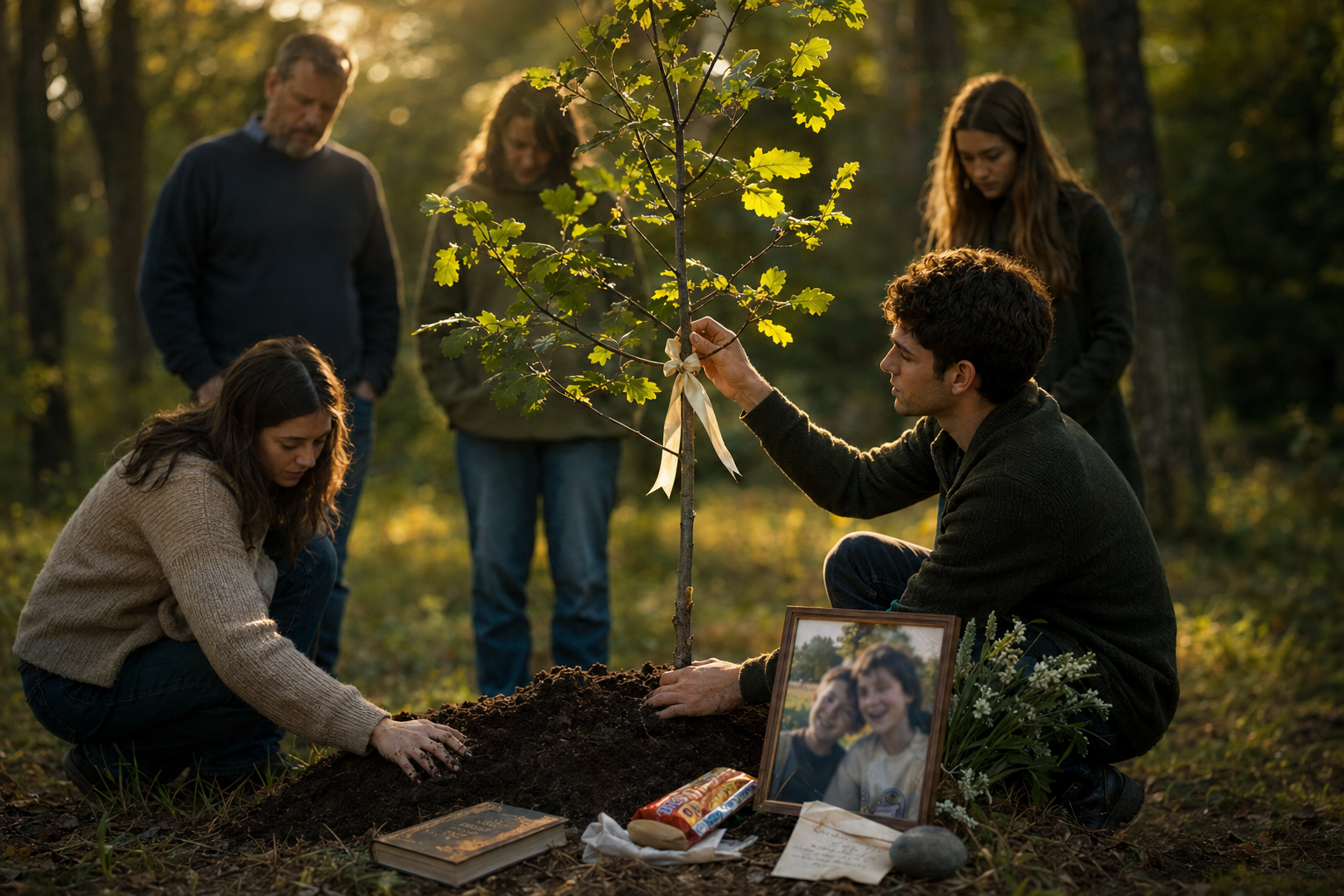
The phone call came in the small hours. You are awake, moving through the flat, and suddenly everything you do seems to reference a life that no longer moves with you. There is no single correct response to this absence. There are, however, small, clear steps that help the sharp edge of sudden loss settle into a shape you can hold.
Start With One Small, Practical Act
In the first days, grief asks for practical things more than platitudes. Choose one small memorial that fits who your sibling was. It might be planting a single tree in their name, framing a photograph that used to sit on the mantel, or gathering a few people who loved them to share a dish they liked. The aim is not to finish grief. It is to give a concrete place to begin.
Choosing a Living Memorial That Matches Them
A living memorial, like planting a tree, creates a place and an act to return to. Consider the person you lost: were they drawn to quiet shade, open sky, or a particular landscape? An olive tree carries associations of peace, resilience, and continuity. An oak speaks of strength and endurance. Planting a species that echoes their temperament makes the act feel like a conversation rather than a replacement.
Site and Seasonal Considerations
Think about where the memorial will live and when it will be planted. If you will visit, pick a site you can reach. If the place will be remote, choose species that suit the local climate and soil. In many programs, trees are planted by partners who follow local ecological practices, which helps ensure the tree thrives.
Rituals That Fit a Sibling Relationship
Siblings often share routines and small, private rituals: a joke, a song, a late-night tea. Turn one of those private acts into a public remembrance. Hold a small, recurring moment each year on a date that matters to you: play a song, leave a favorite snack where you used to eat together, or read a letter aloud to the tree you planted.
- Host a quietly timed gathering at the place they loved.
- Create a memory box with messages from friends and family.
- Mark a date with a small act, like lighting a candle or hanging a ribbon on a branch.
- Donate to a cause that mattered to them and name the donation in their honor.
Practical Options for Families and Friends
Not everyone wants or needs a large public ritual. Here are specific, realistic options that respect different comfort levels and resources.
- Private continuity: Plant a sapling in a nearby garden, or pot a tree that will grow with family members. This creates a quiet, accessible place to return and remember.
- Shared witness: Invite a small circle to plant the tree together. The act of digging, placing the root ball, and pressing soil is something people remember clearly; it binds the grief in a physical gesture.
- Public marker: Choose to dedicate a tree in a managed woodland or memorial grove where a record is kept, and a digital certificate or map location is provided so distant relatives can feel part of the act.
How to Choose What Feels Right
When you are raw, decision fatigue is real. Pick options that reduce friction. If travel is hard, select a memorial that includes a digital certificate or a recorded GPS location so people who live far away can still connect. If rituals feel overwhelming, start with a single, repeatable act and let other ideas arrive later.
A Non-Obvious Way to Hold Memory: The Seasonal Check-In
Instead of one large ceremony, some families set a seasonal check-in tied to a natural rhythm that mirrors life’s slow work. Each season, one person writes a short note about something that felt like the sibling’s influence that week. Over years, the notes form a living narrative of how memory moves through ordinary life. This practice avoids a single, overwhelming event and turns memory into a shared archive.
When Words Feel Insufficient
There will be moments when language runs out. In those times, small physical gestures carry meaning without demanding speech. Leaving a favorite book beside a new sapling, attaching a ribbon with a single word, or cooking a familiar recipe and sharing it in silence are all ways to hold both sorrow and love.
Resources and Next Steps
If you are considering a living memorial, there are services that handle planting, ecological care, and documentation so you can focus on memory rather than logistics. Some options provide a personalized certificate and a recorded location so family members can continue to visit in spirit no matter where they live. For more on how a living memorial works, see plant a memorial tree for a loved one.
Finding a Small Way Forward
Grief does not end with a single decision. It moves, sometimes slowly, sometimes in sharp, unexpected moments. Choosing one small, meaningful act honors the sibling you lost and gives the people who loved them a place to come back to, share stories, and feel that presence continue in a new form. Some families find that planting a tree offers continuity, a living marker that changes with the seasons and grows as memory does. When you are ready, that living act can be the beginning of a new way to carry someone with you.
About the Author
I write for people who need clear, practical ways to mark a life that mattered. For more information and options for living memorials, visit SentiTree.
Send something that lasts instead of flowers
A living sympathy gift with an instant personalized certificate.
Send a Sympathy Tree →