Planting a Memorial Tree for a Nonreligious Funeral
Practical guidance for creating a living, nonreligious memorial: how to choose a species, craft neutral wording, plan a ceremony, and keep the memory alive across seasons.
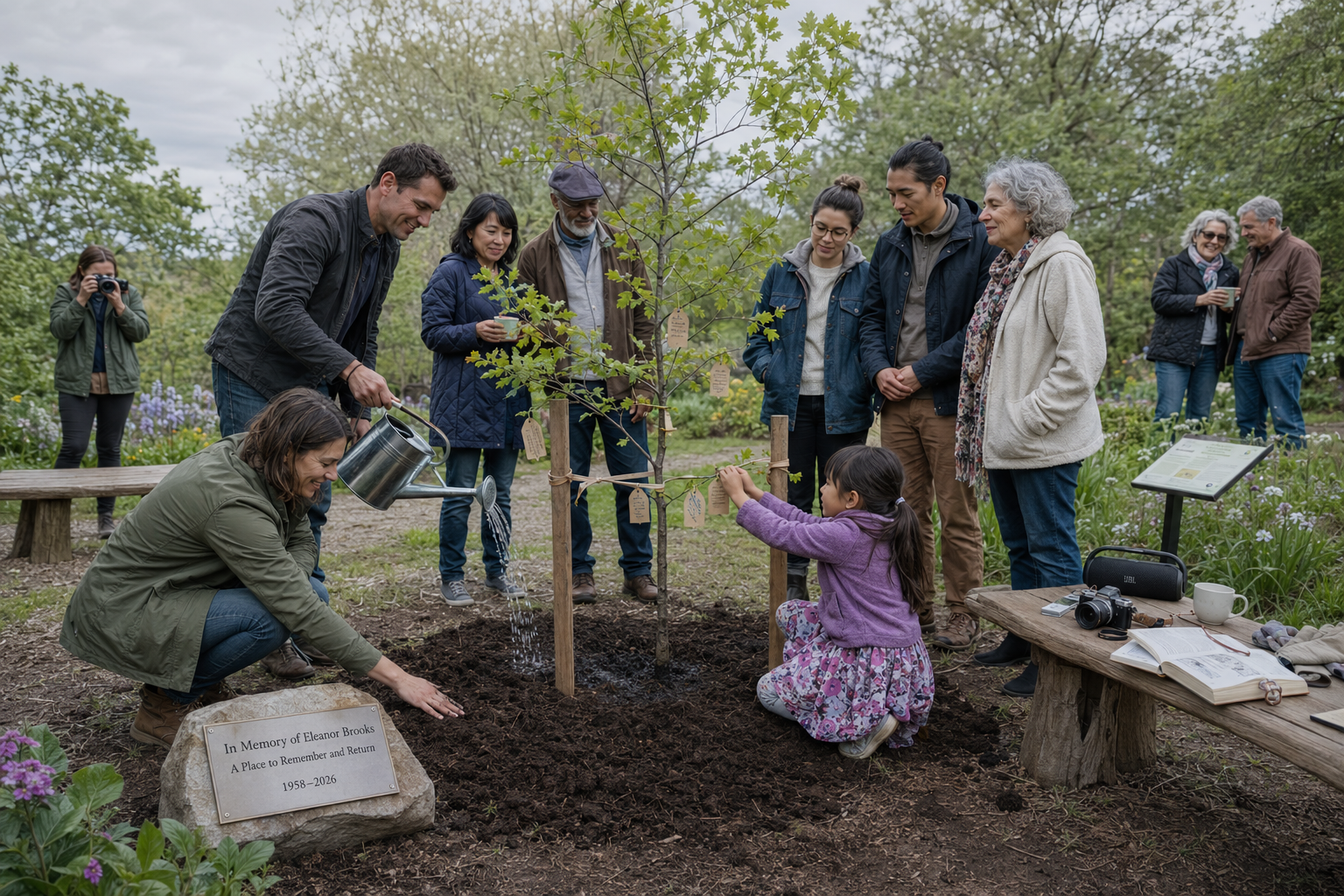
The invitation came as a note on a phone. "Do not make it religious. Just something quiet, please." The family wanted an occasion that felt like them. They wanted memory without scripture, ritual without a chapel. They wanted a place to return to that carried their routine, their small jokes, and the exact way they brewed tea. For many people, a memorial tree meets that need: a living, public but peaceful place where memory grows rather than fades.
Why a nonreligious memorial tree works
A tree can be a frame for grief without a doctrine. It marks a life and creates a place that asks for visits, small tasks, and ordinary attention. For someone who did not belong to a faith community, a tree can be secular and intentional, a living object that invites stories instead of prayer. Choosing neutral language, simple gestures, and a familiar species makes the memorial feel personal and open to everyone who loved them.
Planning language and ceremony that feels like them
Words matter. If you will place a plaque, draft wording that focuses on life, presence, and memory rather than religious consolation. Examples include short phrases such as "In memory of [Name]" or "Planted for [Name], loved by many." Avoid spiritual claims about afterlife or phrases that assume belief. During a small gathering, invite guests to speak of a single memory, or to place a leaf-shaped tag with a memory on the tree for a day. These small acts create continuity without invoking doctrine.
Practical wording examples
Below are neutral plaque options that have tended to feel appropriate for secular ceremonies:
- "In memory of [Name], who taught us kindness."
- "Planted for [Name]. A place to remember and return."
- "Here grows a life loved by family and friends."
- "Rooted in our hearts: [Name] [Year–Year]."
How to choose the species, site, and permissions
Choice of tree is part practical and part symbolic. For a nonreligious memorial, opt for species known for durability, regional suitability, and low maintenance. An oak suggests strength. A birch suggests new beginnings. An olive suggests peace but may carry religious associations in some places, so consider local meaning before selecting.
Do the practical checks before you plan a ceremony. Verify land ownership. If the site is public or managed by a partner organization, confirm planting rules and long-term stewardship. Ask who will care for the sapling in the first three years. If the planting is part of a larger grove shared by many families, clarify how access and maintenance will be handled. These operational questions protect the memorial from becoming a memory without a place to live.
Specific things to include in the ceremony
Ritual does not need to be religious to be meaningful. Consider designing short acts that are universal and sensory: soil cupped in hands, a single song, a shared reading, and a moment of silence. Here are practical, tested elements you can adapt.
- Each person adds a small shovel of soil and says a single sentence about the person.
- A chosen playlist of songs the person liked plays softly as people arrive.
- Guests write one memory on a ribbon or tag to hang on a branch for 24 hours.
- Provide a simple printed card with the tree's GPS or map coordinates so distant friends can find it later.
- Plant a companion object such as a small bench or a stone with a short line from the family.
How to keep the memorial alive across seasons
Memory needs repeatable invitations. Plan a simple schedule for the first year: a watering in spring, a light trimming in late summer, and a small anniversary visit. These tasks can be shared among family, friends, or a local steward. If the family is spread out, appoint a primary steward and set up a shared photo album so others can add images and notes remotely. That practice turns one planting into an ongoing story.
- A quiet address: A tree creates a place you can visit again. When memory returns months or years later, the place will be there to receive you and to hold the time you bring.
- A small, repeatable ritual: A living memorial invites small tasks that mean a great deal. Watering, bringing a picture, or leaving a small written memory are simple acts that anchor an anniversary without pressure.
- A gift that grows: Unlike flowers, a tree changes slowly through seasons. That slow change allows memory to be carried forward in a way that feels natural and honest, not forced.
Questions to ask before you plant
Before you schedule a service, note these practical points:
- Who owns the land and who will maintain the sapling?
- Are there local rules about plaques, plantings, or memorials?
- Which species are native or recommended for the climate?
- Who will be the point person for the first three years of care?
One detail many people overlook
Most guides discuss wording and ceremony. Fewer mention documentation. A small, practical habit is to record the tree’s coordinates and attach a short note describing who planted it and why. That record helps future generations find the place and makes the memorial a durable object in family records. It also allows friends who cannot be present to send a photo or a brief memory tied to the exact location. If you are arranging a memorial as a gift, consider including this map or certificate as part of the offering, a way to hand both the place and the story to those who will carry them forward.
Closing: a gentle way to mark a life
Planting a memorial tree for a nonreligious funeral is a practical, accessible option. It gives a place that holds memory without assuming belief. It invites small, ordinary acts that become meaningful over time. If you would like guidance on practical options for species and sites, one place to begin is to plant a memorial tree with a partner who can document the location and care plan. That simple record helps a tree become more than a gesture. It becomes an address in the world where a life is remembered.
Find a place to begin
If you are thinking about this for someone close to you, consider the practical steps above and talk with the people who will tend the tree. Planting is an act that asks for little at the time and returns much over the years. For resources and options, visit https://sentitree.com.
Plant a tree in their memory
A lasting memorial that grows for generations, with a GPS certificate.
Plant a Memorial Tree →