Memorial Gifts After a Cancer Death: Meaningful Options
When cancer takes someone you love, memorial gifts can hold their story in a gentle, living way. Practical ideas for honoring that life and the illness they faced.
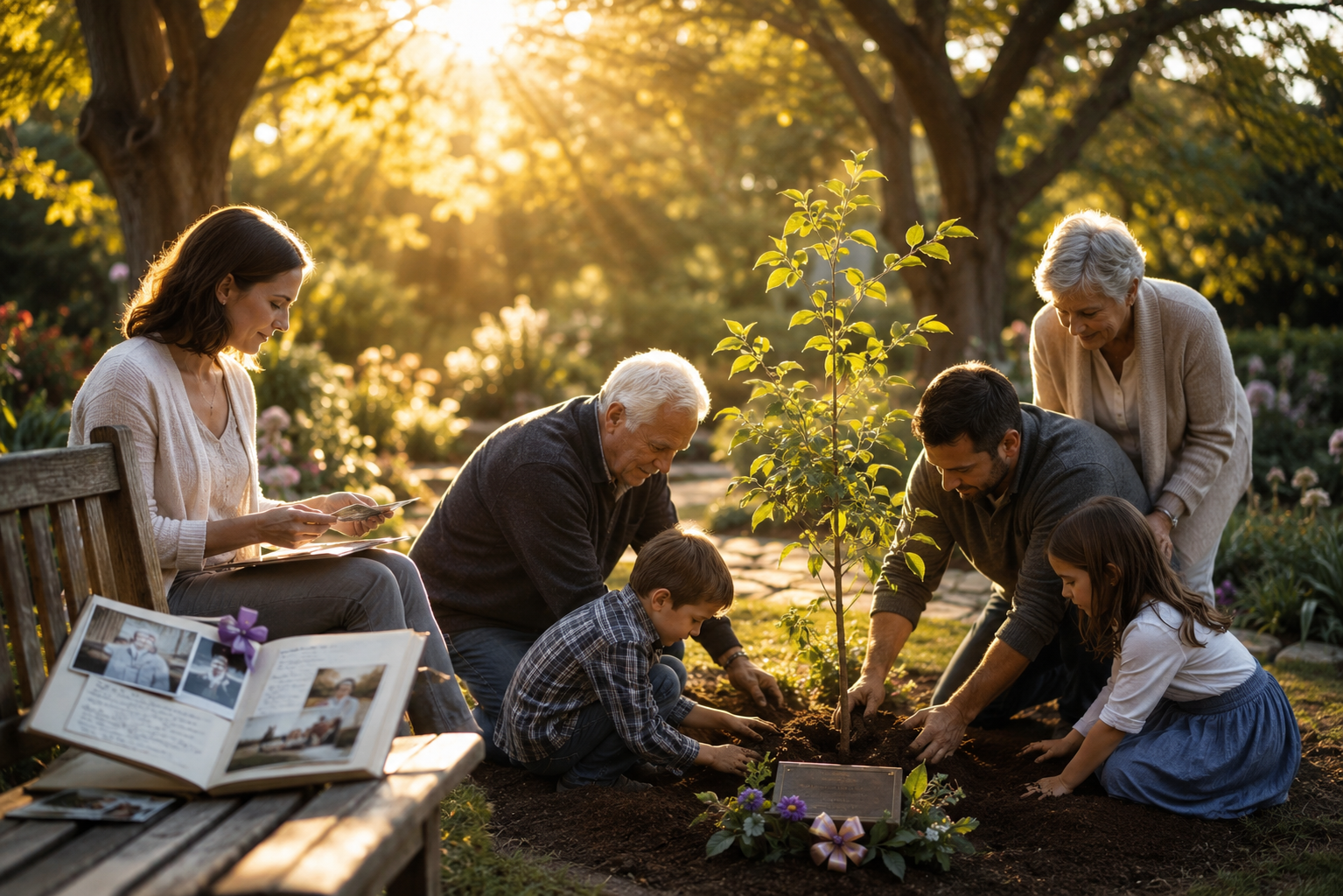
I was asked once to find a way to honor a neighbor who died after a long fight with cancer. Flowers felt small. The story of their last years deserved something that lasted, something that carried both the person and what they had to bear.
Why this moment asks for something different
Grief after a cancer death often carries medical memory: appointments, medicines, the language of prognosis. That history can make ordinary sympathy gifts feel out of step. The gift that helps is one that acknowledges both the life and the particularity of its ending. It need not be literal. It can be quiet, practical, or surprisingly ordinary.
Practical ways to honor their memory
Here are tangible options people have used when the loss is tied to illness. Each honors the person while respecting the texture of the experience.
- A living memorial tree planted in a place they would have loved, a continuing presence that grows each year.
- An organized fund or donation in their name to a research group or a local hospice, chosen with the family’s values in mind.
- A memory bench or small plaque placed in a garden or public space that was meaningful to them.
- A carefully made memory book that includes clinic notes, letters, and photos—arranged so the story is preserved without being clinical.
- A subscription to a meal service or house cleaning given to the family on the anniversary, turning practical support into remembrance.
How to choose what fits
Start with how the person lived and how their illness was experienced. Were they private about their treatment, or open and vocal? Did they want to be remembered publicly, or was privacy important? Matching the scale and visibility of the gift to these preferences keeps the gesture from feeling performative.
Timing and the family’s rhythm
Some gifts are appropriate immediately, others feel right only after the funeral. Practical support and donations can be offered quickly. A planted tree, or an engraved plaque, is often best discussed with the family so it respects their wishes and the location’s rules.
A set of concrete options for different relationships
Not every gift fits every relationship. Below are specific choices matched to common roles.
- For a spouse: a living memorial in a place you can visit together, with a small annual ritual that you keep.
- For a parent: a legacy project that involves grandchildren, like a yearly planting day or a family scholarship in their name.
- For a friend: a photo restoration and a quiet gathering on the anniversary to share stories.
- For a colleague: a donation to a workplace-supported charity, paired with a note that names a specific way they mattered at work.
- For someone who valued medical advocacy: a gift to a patient-support organization that continues the work they believed in.
Three reasons a living tribute often fits a cancer loss
- Presence that grows: A tree or living memorial keeps changing with the seasons. It becomes a place to return to, which many people find steadier than a single-day ritual.
- Honors complexity: Living tributes allow for quiet acknowledgment of the illness without making it the only thing someone is remembered for. The tree holds both the person and the story of their struggle.
- Offers continuity: Over years the memorial becomes part of family life. That continuity can be an anchor on difficult anniversaries and sudden reminders.
One non-obvious thought many people miss
Medical grief often carries a sense of unfinished advocacy. People who cared for a relative through treatment may want a memorial that supports others in similar positions. Consider pairing a living tribute with a modest fund to assist families navigating treatment, or a yearly community garden day that brings people together around shared experience. That combination honors the patient and redirects the energy of care into something ongoing.
How to handle etiquette and the conversation
When the loss follows a visible illness, family members may be exhausted by requests and offers. Keep questions specific and brief. Ask whether they want public acknowledgment before you plan anything that will be visible. If you are unsure, offer options: a private memorial tree at a local grove, or a donation in their name that the family can accept quietly.
Practical steps to organize a living memorial
These are the steps people typically follow when arranging a tree or other living tribute.
- Talk with the family about location and scale. Some public groves have rules.
- Choose a species with meaning or resilience, for example an olive for long life or an oak for strength.
- Decide on a plaque or certificate and whether the family wants a physical item shipped to them.
- Arrange for follow-up care or a partner organization that can report on the tree’s growth over time.
Closing thoughts and an option some families choose
Grief after a cancer death carries both the personal story of who the person was and the hard history of the illness they fought. A memorial that listens to both parts can feel more honest. Some families choose a living memorial, a tree planted where it will grow year by year and hold memory in a quiet, visible way. For those looking for that form of remembrance, more information is available at plant a memorial tree or at https://sentitree.com.
Plant a tree in their memory
A lasting memorial that grows for generations, with a GPS certificate.
Plant a Memorial Tree →