Day of the Dead Memorial Ideas That Hold Presence
Day of the Dead memorial ideas can help families shape memory into ritual. Practical, culturally respectful ways to remember with living tributes and small home altars.
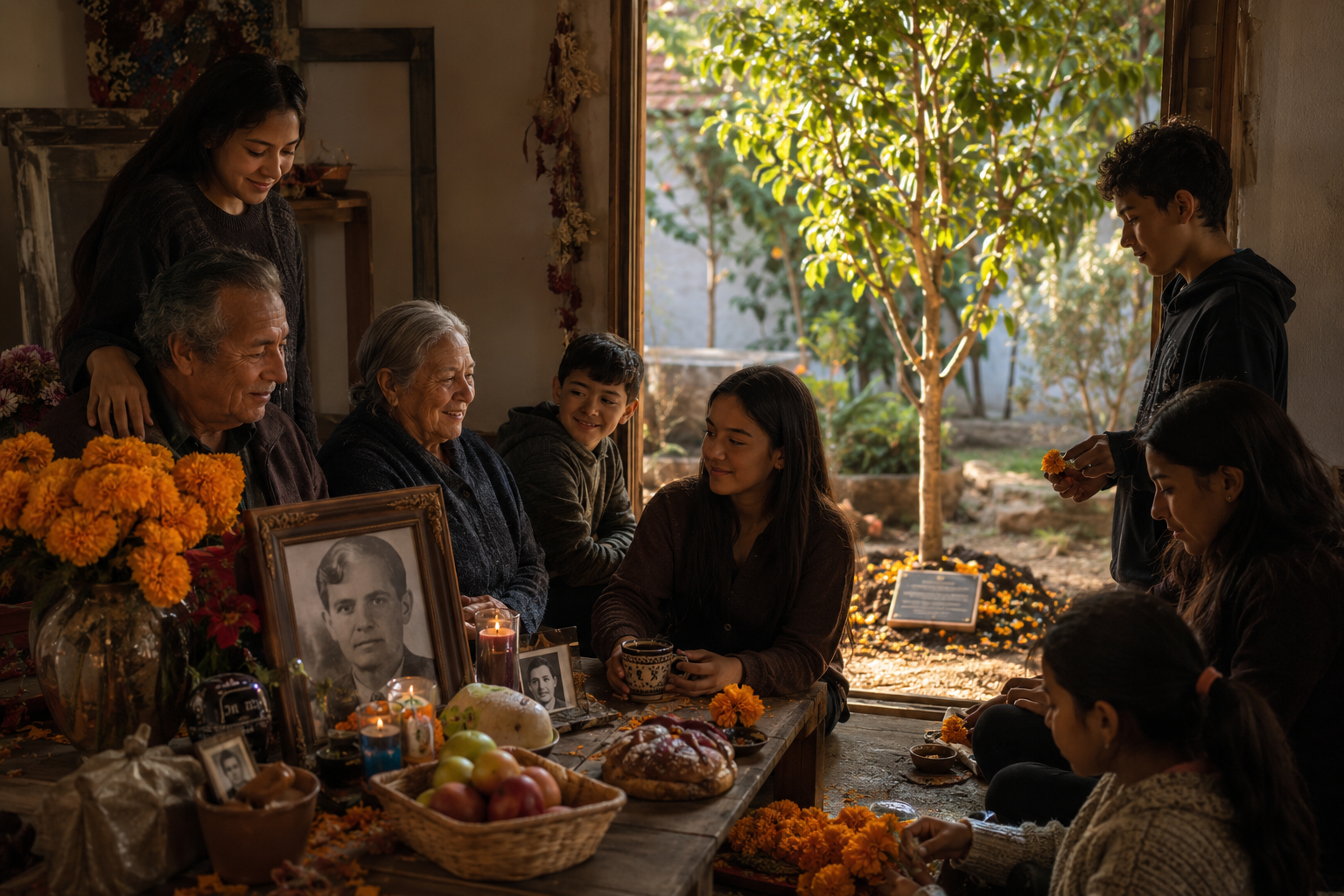
They place a small bowl on the table and lay out food he loved. Someone lights a candle and the room smells like orange peel and warm corn. In a city where tradition and grief sit side by side, the Day of the Dead can be a day that holds a person’s presence rather than only absence.
Why this day matters beyond ceremony
The Day of the Dead is not only a date on the calendar. It is a moment families shape memory into action. For many, it is the first time a whole household gives permission to speak about a person who has died. It opens space for stories, for food that belonged to them, for songs and for objects that make the absent familiar again. You do not need to replicate a ritual perfectly to honor the intention behind it. Thoughtful adaptation can make the day meaningful, whether your family practices the tradition or is approaching it as an act of remembrance.
Practical ways to observe the day at home
There are many small acts that carry significance. Each one can be tailored to the person you remember and the household you share.
Building a simple home altar
Choose a small table or shelf. Arrange three to five items that connect directly to the person: a photograph, a favorite mug, a handwritten note, a piece of clothing folded neatly, and a token like a watch or a hat. Add a candle or low lamp for light, and a bowl of fresh fruit or bread. Keep the altar open to conversation. Leave space for others to add something during the day.
Options that make sense for grieving families
Different families need different scales of ritual. Below are clear, usable options you can pick from depending on time and energy.
- Quiet vigil at home: an evening of stories, a playlist of songs the person loved, and simple food prepared in their memory.
- Neighborhood walk: bring a small offering of seeds or bulbs and scatter them in a community garden or a shared green space.
- Family potluck: invite a few people to bring a dish connected to a memory and speak for a few minutes about it.
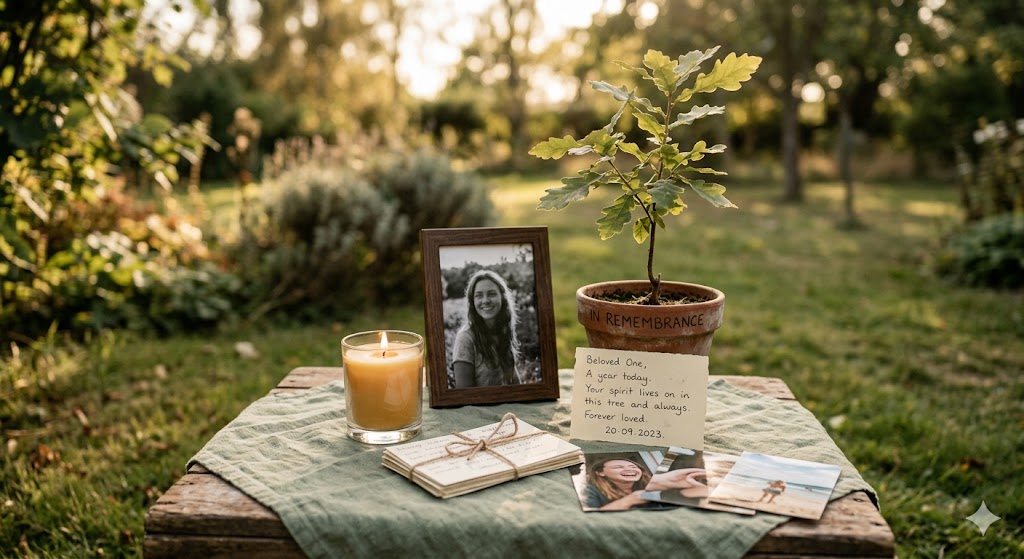
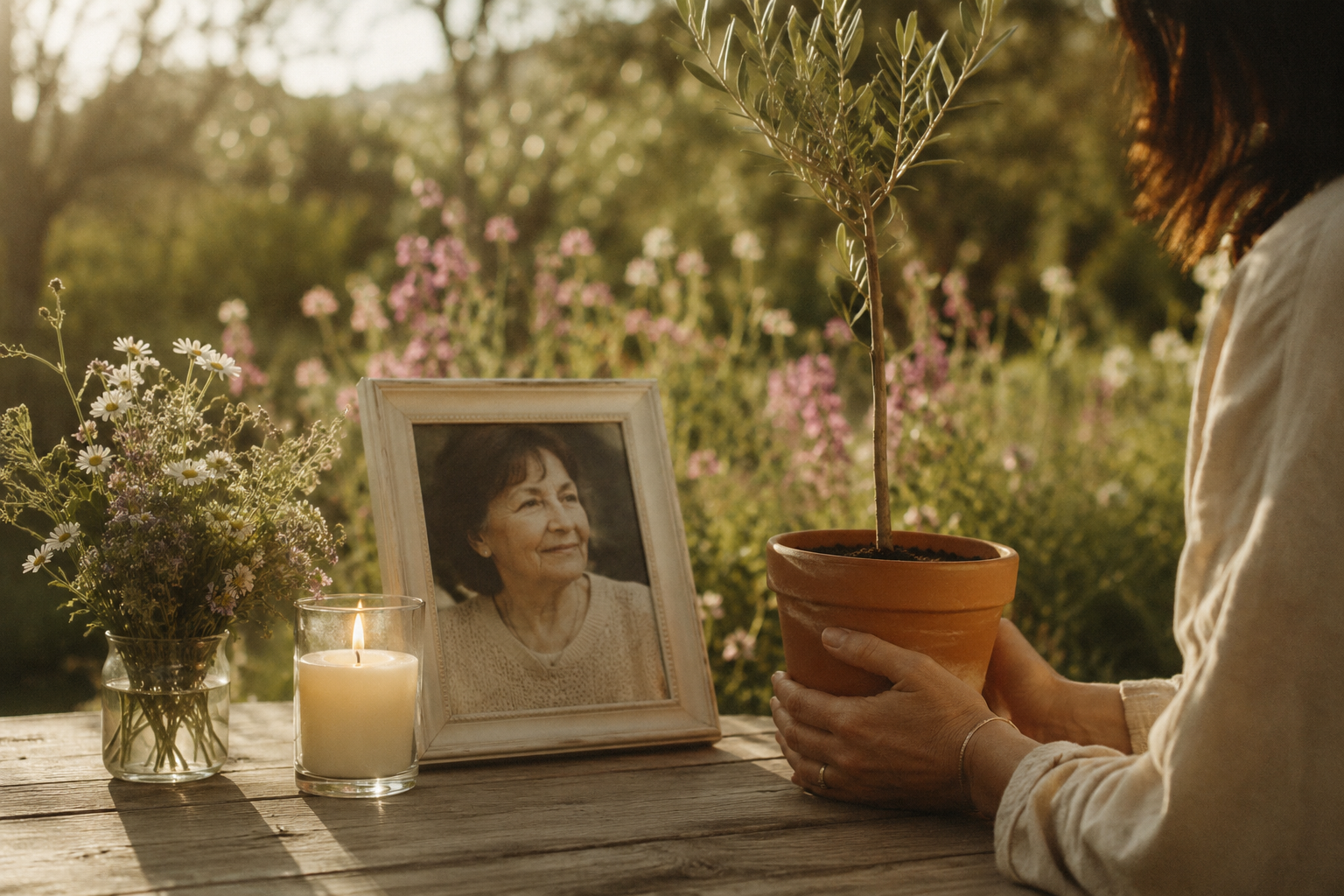
- Plant a living tribute: arrange for a tree to be planted in a place that matters and give the family a certificate or GPS location to return to later. Many choose this as a quiet, growing place of remembrance.
- Memory box exchange: each person adds a short note or small object to a box that is opened once a year on the same date.
How to include children and teens
Children need instructions that are simple and concrete. Give them one small task, like folding paper marigolds, placing a cup for a beloved pet, or choosing a story to read aloud. Teenagers often want something they can see or return to: a tree planted in memory, a bench at a park, or a digital playlist they can share with friends. Let them lead where they want to, and protect them from being pushed into a public performance they did not ask for.
Three reasons families choose culturally respectful memorials
- Continuity through ritual: Rituals give a date and structure to memory. When a family marks the day, it becomes a repeating signal that the person’s life matters, not only their death.
- Shared language of remembrance: A ritual creates a shared vocabulary—songs, foods, objects—that relatives and friends can use to tell the same story in different rooms and across years.
- A living place to return to: Choosing a living memorial or a small planting gives a future place to visit. Returning to the same tree or garden over time turns memory into something you can stand beside.
Etiquette and cultural sensitivity
If the tradition is not your family’s by heritage, approach it with humility. Ask permission when borrowing specific elements. If you use language or symbols from another culture, do so with context and respect. Avoid reducing a ceremony to decorations or a checklist. A faithful approach honors intention more than it copies form.
One practical, often overlooked detail
Consider the season and the physical care of the items you use. Fresh flowers and candles need attention. A small altar left outdoors may attract animals or fade quickly. If you plan to light candles, have a safe surface and water nearby. If you gather food, put the perishable items away after a short time and replace them with a photograph or a written note for the altar to keep the memory visible without waste.
Where a living memorial fits
Some families find that a living memorial complements the Day of the Dead practices. A tree planted in memory provides a place to lay small offerings, to read aloud, and to mark years in a visible way. If you choose a living tribute, consider species that match the climate and the symbolic meaning you want. Olives carry the idea of peace and long life. Oaks express strength and endurance. Whatever you choose, make sure the planting location will be accessible to the people who will visit it over time.
Putting it together: a simple plan for the day
Start with the altar and one hour of shared time. Read aloud a story, play a song, and invite anyone present to place one object on the altar. If you plan a planting, schedule it for the morning so the family can gather afterwards. Keep the evening quiet and optional. Make space for laughter and for silence. The goal is not to get everything right. The goal is to hold someone with attention and care.
Closing thought and next step
Tradition can be a gentle map when grief feels disorienting. If planting a living memorial feels meaningful, it can sit beside home rituals and offer a place to return to year after year. For families who want to learn more about tree options and how a planting is recorded, visit plant a memorial tree to see practical steps and what to consider. For broader questions about locations and care, start at Sentitree.
Plant a tree in their memory
A lasting memorial that grows for generations, with a GPS certificate.
Plant a Memorial Tree →