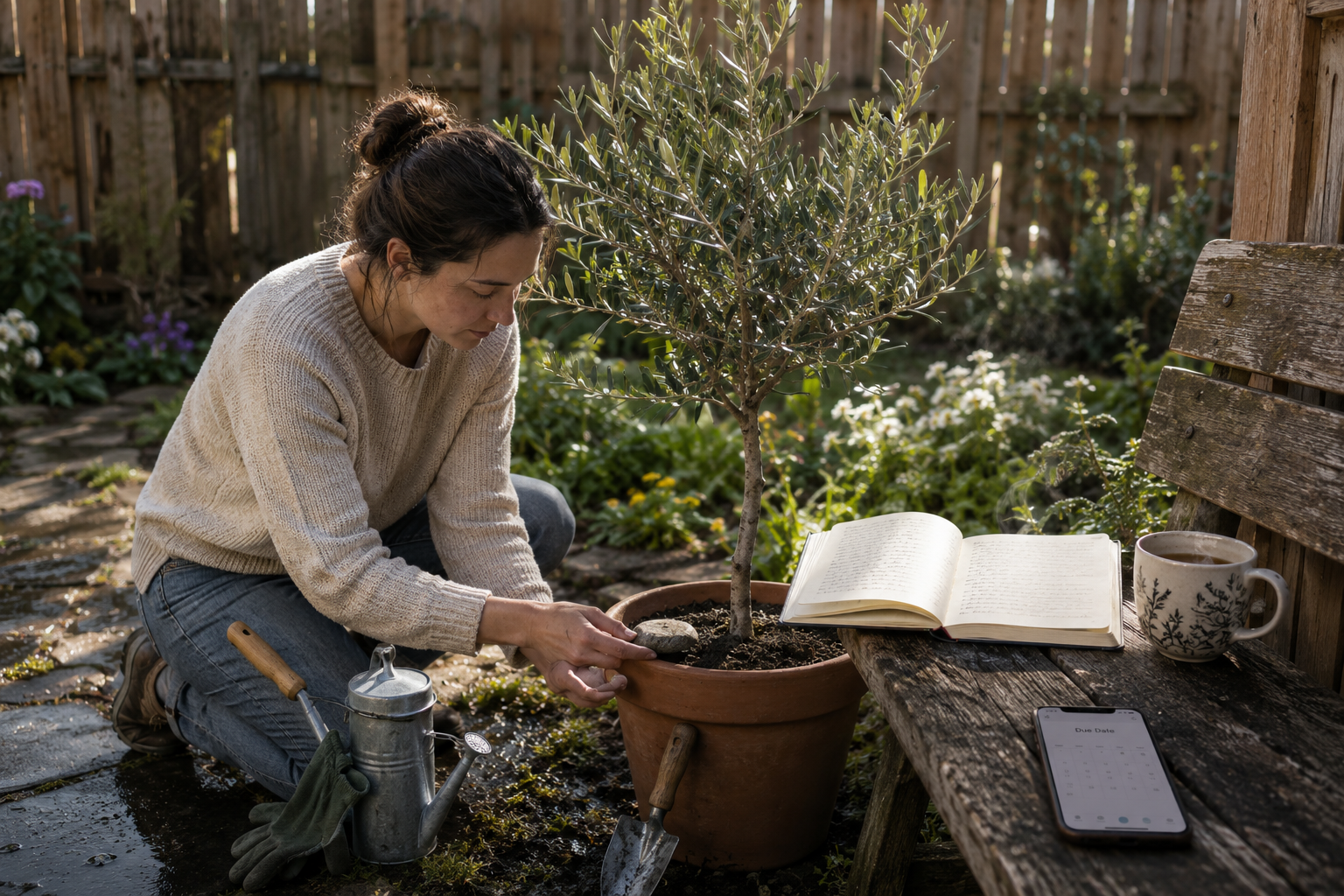
Can You Plant a Memorial Tree Before a Loved One Dies?
Thoughtful guidance on offering a memorial tree while someone is in hospice or seriously ill, including etiquette, timing, species choices, and gentle ways to include family.
The phone call comes and you want to do something that feels like saying enough. You do not want to wait for a grave, a service, or a date. You want a quiet, living gesture now. Planting a tree before someone dies is one of those offers that can be tender and tricky at the same time. It can be a presence and a promise, if it is done with care.
Why people consider planting now
When a loved one is in hospice or living with a serious illness, the urge to mark the moment is immediate. People choose to plant early for three overlapping reasons. First, planting can be a way to include the person who is ill in a simple, concrete act. If they are able, a sapling in a pot can be placed beside them so they can see it and touch it. Second, families sometimes want a symbol that grows while they are still together, something that gathers visits and small conversations during an ending. Third, practical concerns sometimes push the choice. Not every site is available year round, and a family may prefer to arrange the memorial before the funeral logistics begin.
Gentle etiquette: ask before assuming
There is a simple rule that saves a lot of awkwardness. Ask the family or the primary caregiver before planning anything. A short, low-pressure question works best. Try: "I have an idea I think might feel meaningful. Would it be okay if I planted a small tree in their honor, or would you prefer we wait?" Let the answer guide you. If the person who is ill can take part and seems interested, a brief, calm planting may be a quiet joy. If the family is exhausted, overwhelmed, or not ready, postpone. A memorial planted later will be just as real and often easier to care for.
When planting now makes sense
There are a few scenarios where planting now is especially appropriate:
- A loved one asks for a living memorial rather than flowers or a service.
- The person can participate in a small way, by holding a pot or choosing a plaque line.
- Logistics or seasonality mean a later outdoor planting would be harmful to the sapling’s survival.
- The family wishes to collect visitors in a private, brief ritual that does not add to funeral planning.
Practical choices you can offer
Not all trees or planting moments are equal. Small, practical options make it easier for a family to say yes.
Options that work for hospice or immediate memory
Choose a plan that matches current capacity. If you do the planting now, consider one of these approaches.
- Indoor-to-outdoor sapling: Plant a young tree in a sturdy pot, give it to the family to keep indoors or on a sheltered porch, and schedule an outdoor planting when the season is right. This lets the person see the living tribute today and protects the sapling until it can be set in the ground.
- Dedicated planting day later: Offer to plant the tree soon after the funeral, and in the meantime send something small and lasting like a seed paper, a potted plant, or a memorial note. That keeps your intention visible without pushing the family to act while they are grieving.
- Community or shared grove: If a private site is not possible, consider a memorial grove where multiple trees are planted. This removes some of the caretaking burdens while giving a GPS-tagged place to visit.
Species and site: small details that matter
Species choice is more than symbolism. It is about survival, climate, and the kind of visits a family will want. If you will plant immediately in a pot, choose species that tolerate containers and transplanting. Olive and oak appear in memorial traditions for their long lives and resonant meanings, but they need room to grow. If the family plans to move the sapling outdoors later, pick a species suited to the destination climate and soil. If you are unsure, ask a local nursery or a planting partner; a small question now avoids a lot of transplant stress later.
Simple rituals that feel present, not performative
Keep the act short and concrete. A tiny ritual could be a single bowl of soil, a hand on the pot, a few words about the person, and a moment of silence or soft music. If the person can speak, let them choose a word to plant with the tree. If not, a caregiver or close friend can read a brief passage. These small acts give shape to feeling without demanding energy.
Who should lead the planting
Let the family choose the leader. If you are the one offering, present it as an option and be ready to lead the practical parts: bring the pot, the soil, gloves, and a small plaque if the family wants one. If the family accepts, the act of offering practical support without taking over will often be the most welcomed help.
Four concrete, low-pressure ways to offer
- Bring a potted sapling and say, "If you like, you can keep this by their window and we can plant it outside when it's the right season."
- Offer to arrange a planting later and cover the cost so the family can focus on being together now.
- Suggest a small, private planting with no guests, and keep it simple—a shovel, a cup of soil, a name on a small marker.
- If the person loved a particular place, offer to plant there with permission, or ask about a public grove or partner planting to keep the logistics light.
Three reasons a living memorial now can matter
- A visible presence: Seeing a young tree while a person is still present creates a shared object that family members can visit together, speak to, and hold.
- A gentle continuity: The act of planting starts a future habit—anniversaries, watering, and returning visits—that keeps the memory active without forcing a timeline for grief.
- A way to offer care: For those who feel helpless, arranging a living memorial is a concrete way to show support that has meaning beyond the immediate days of illness.
When to wait
Do not press a planting if the family is clearly exhausted or if the person’s care team advises against it. Some families prefer to plant after the funeral so the act does not mingle with the immediate emotional and medical demands. If you are told to wait, honor that. A memorial planted later is no less real and often easier to tend.
Making space for grief and growth
Planting a tree before a loved one dies can be a quiet, tender option when it is offered gently, planned practically, and guided by the family’s wishes. It will not fix the ache, but it can give a small place to return to that holds a presence over time. If you are thinking about offering this, choose small, thoughtful steps: ask first, pick a practical plan, and frame it as a gift that can be moved or delayed if needed.
If you want a simple way to offer support
For families who prefer a ready-made option, some services help arrange planting, memorial plaques, and a recorded location so visits come with a stable place to stand. Explore a memorial tree page for practical ideas and wording suggestions, and consider whether a potted sapling now with later planting suits your family’s needs. plant a memorial tree.
Closing thought
When words are small, a living thing can hold what you feel. If you offer a tree now, do it gently. Ask. Offer practical help. Let the family choose the time. The tree can then become, in small ways, a companion for both before and after.
Need another way to begin?
Learn more about thoughtful memorial options and how to arrange a living tribute at Sentitree. Planting can be quiet, practical, and tender when it follows the family’s pace.
Plant a tree in their memory
A lasting memorial that grows for generations, with a GPS certificate.
Plant a Memorial Tree →